
Door Wrapping Machine: Find the Best-Protecting Wraps for Your Doors
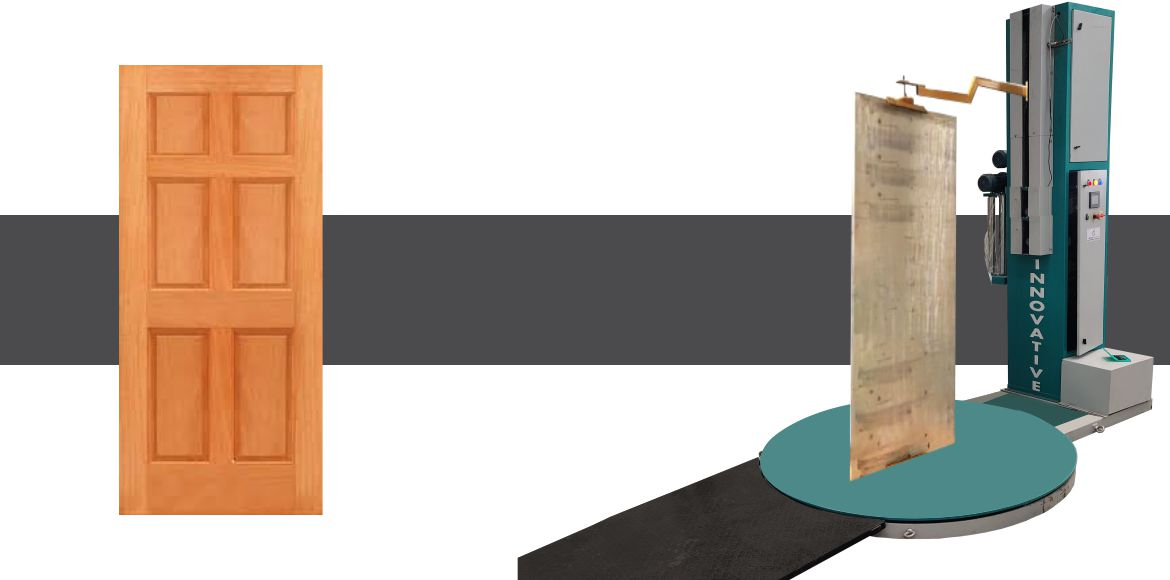
Door Wrapping Machine Protection: Complete Industrial Guide
What Is Door Wrapping Machine Protection?
Door Wrapping Machine Protection refers to the use of specialized machinery to wrap wooden, metal, or composite doors with protective films. This process prevents scratches, dents, dust, and transit damage while keeping doors ready for storage, transport, or sale.
Modern protective wrapping ensures uniform coverage, efficiency, and consistent quality, which manual methods cannot achieve at scale.
How Does It Work Step by Step?
Pre-Assessment
Operators evaluate door dimensions, weight, and surface type to select the correct film and wrapping settings.Film Loading and Setup
The machine is loaded with protective shrink or stretch film. Roll tension, sealing settings, and heat levels are configured.Door Placement
Doors are positioned on the conveyor or rotating platform, depending on machine type.Wrapping Process
The film wraps around the door, either automatically or semi-automatically. Heat or pressure is applied to secure the film tightly.Sealing and Cutting
Excess film is trimmed, and edges are sealed to ensure complete protection.Inspection & Output
The wrapped doors are checked for uniform coverage, and finished products are ready for transport or storage.
Why Is It Important in Modern Industrial Operations?
Improves operational efficiency by automating repetitive packaging tasks
Ensures product presentation is professional and consistent
Supports sustainability through controlled film usage
Reduces labor costs compared to manual wrapping
Extends product and machine life through correct protective methods
Comparison With Manual or Alternative Methods
| Factor | Machine Wrapping | Manual Wrapping |
|---|---|---|
| Speed | Fast, consistent | Slow, variable |
| Damage Reduction | High | Low |
| Labor Requirement | Minimal | High |
| Film Waste | Optimized | Wasted |
| Consistency | Perfect repeatability | Inconsistent |
Common Operational Problems Solved
Door scratches, dents, and surface damage
Film misalignment and uneven wrapping
Long packaging time and high labor dependency
Wasteful film usage
Best Practices for Installation, Operation, and Maintenance
Installation:
Place machine on level floor
Ensure proper power supply and ventilation
Conduct initial calibration by certified technicians
Operation:
Train operators on settings, safety, and troubleshooting
Monitor wrapping cycles for efficiency and uniformity
Adjust tension and heat based on door material
Maintenance:
Daily: Clean rollers and remove debris
Weekly: Inspect belts, motors, and sensors
Long-term: Replace worn components and recalibrate sensors
Safety Standards & Operator Protection
Emergency stop buttons and safety guards
Heat shields on sealing units
Compliance with CE/ISO industrial safety standards
Operator lock-out and training programs
Operational Cost, Efficiency, and Sustainability
Automated machines reduce labor costs by up to 60%
Controlled film usage saves 20–30% on consumables
Energy-efficient motors reduce power consumption
Sustainable films compatible with recycling programs
Expected Service Life
Typical professional machines last 10–15 years with proper maintenance
Regular preventive servicing extends service life and ensures consistent performance
Door Wrapping Machine Protection ensures safe, efficient, and sustainable packaging of doors. Investing in professional machines with proper support reduces damage, lowers operating costs, and increases productivity. Buyers should focus on automation level, capacity, material compatibility, and after-sales support to maximize ROI.
Frequently Asked Questions (FAQs)
1. What is a door wrapping machine and why is it used?
A door wrapping machine protects wooden and metal doors from scratches, dents, dust, and transit damage, ensuring professional packaging and safe handling.
2. How does the machine work step by step?
Operators place doors on the platform or conveyor, load protective film, wrap the doors with controlled tension and heat, trim excess film, and inspect the final wrapped product.
3. What types of door wrapping machines are available?
Types include manual, semi-automatic, fully automatic, and sleeve wrapping machines. Each type suits different production volumes and door sizes, from small workshops to large industrial operations.
4. How can buyers choose the right machine for their needs?
Buyers should consider production capacity, door size and material, automation level, available floor space, budget, and expected return on investment.
5. What operational and safety benefits does professional machine support provide?
Professional support minimizes downtime, ensures consistent wrapping quality, reduces film waste, improves operator safety, extends machine life, and solves common issues like uneven wrapping or door damage.