
From Dumb to Smart: How AI and Data Analytics are Transforming Packaging Production
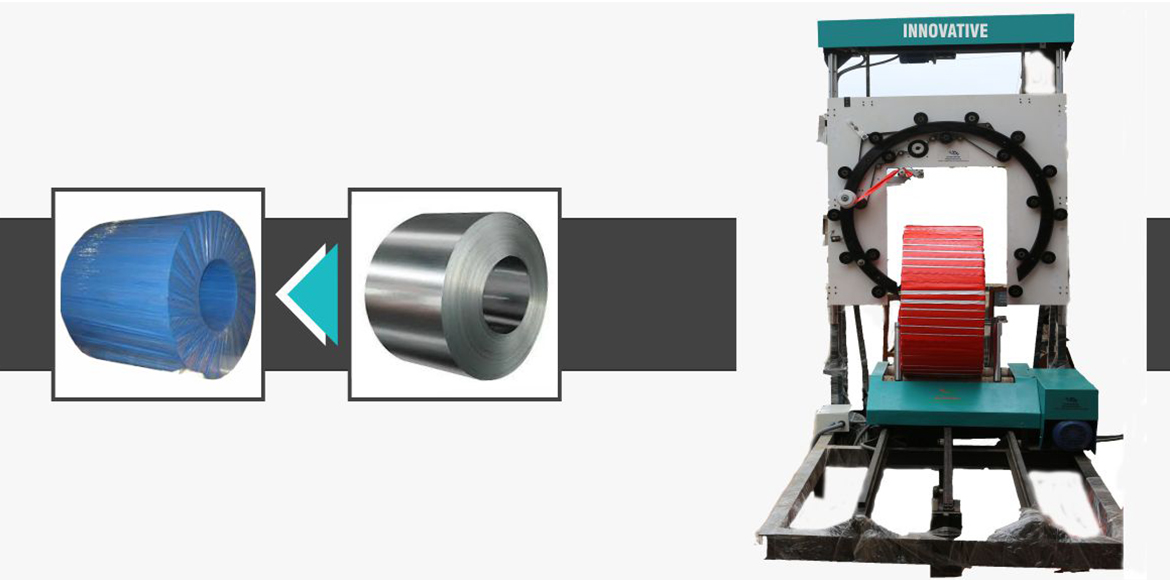
AI Powered Packaging Production: How Data Analytics Drive Smarter Manufacturing
What the Product Is
Smart packaging machines powered by AI and data analytics represent the next generation of industrial automation. Unlike traditional “dumb” machines that operate on fixed settings, AI-enabled packaging systems continuously collect, analyze, and optimize data in real time.
These systems integrate:
Intelligent sensors
Machine vision
Predictive algorithms
At Innovative WrapTech Pvt. Ltd., smart packaging solutions use AI to automatically adjust wrapping tension, speed, film usage, and load stability based on live production data—delivering consistent output with minimal human intervention.
Why This Machine Is Critical in Modern Industrial Operations
In today’s high-volume, cost-sensitive manufacturing environment, efficiency and accuracy directly impact profitability. AI-driven packaging machines have become essential because they:
Eliminate human guesswork by using data-backed decisions
Reduce material waste through precise film optimization
Improve product safety via real-time load monitoring
Support Industry 4.0 and smart factory integration
Modern industries no longer compete on production speed alone—they compete on data intelligence, and smart packaging machines deliver that advantage.
How to Choose the Right Smart Packaging Machine
1. Capacity Requirements
Select a machine that matches your daily and peak production volumes.
Low to medium output → Semi-automatic smart systems
High-speed operations → Fully automatic AI-enabled lines
Oversized machines increase costs, while undersized machines create bottlenecks.
2. Packaging Material Compatibility
Ensure the machine supports:
Stretch film
Shrink film
Specialty films for fragile or heavy loads
AI systems perform best when calibrated for material-specific performance data.
3. Level of Automation
Automation should align with operational maturity:
Assisted automation → Manual loading with smart controls
Full automation → Conveyor integration, robotic pallet handling, ERP connectivity
Innovative WrapTech Pvt. Ltd. designs scalable solutions that grow with your business.
4. Budget and ROI
Smart machines require higher upfront investment but deliver:
Lower long-term operating costs
Reduced labor dependency
Faster ROI through waste reduction and uptime gains
Always evaluate total cost of ownership, not just purchase price.
Safety Standards, Compliance, and Operator Protection
AI-powered packaging machines enhance safety while meeting global compliance standards such as CE, ISO, and OSHA guidelines.
Key safety features include:
Emergency stop systems
Automated fault detection
Load imbalance alerts
Electrical overload protection
Smart systems reduce operator exposure to repetitive strain, heat zones, and unstable loads—creating a safer, more compliant workplace.
Why Manufacturers Prefer Professional-Grade Machines
Manufacturers consistently choose professional-grade AI packaging machines because they:
Deliver industrial durability for 24/7 operations
Maintain consistent quality across shifts
Support predictive maintenance instead of reactive repairs
Integrate easily with existing production software
Enhance brand reputation through professional packaging finish
Innovative WrapTech Pvt. Ltd. focuses on engineering-grade reliability, not consumer-level automation.
The future of packaging is smart, connected, and data-driven.
AI and analytics transform packaging machines from simple tools into strategic production assets.
With Innovative WrapTech Pvt. Ltd., manufacturers move from dumb machines to intelligent systems that deliver efficiency, safety, sustainability, and measurable ROI.
Frequently Asked Questions (FAQs)
1. What makes AI-based packaging machines smarter than traditional systems?
AI machines analyze real-time data to self-adjust performance, while traditional machines rely on fixed, manual settings.
2. Do smart packaging machines really reduce material waste?
Yes. AI optimization can reduce film consumption by up to 30–40% through precise tension control and load profiling.
3. Are AI packaging machines difficult for operators to use?
No. Modern interfaces are user-friendly, touchscreen-based, and require minimal training while offering advanced automation in the background.
4. Which industries benefit most from smart packaging technology?
Industries such as FMCG, pharmaceuticals, logistics, automotive, food & beverage, and e-commerce benefit the most from AI-driven packaging.
5. Is AI packaging suitable for small and mid-sized manufacturers?
Absolutely. Modular smart systems allow smaller manufacturers to adopt AI gradually without high upfront complexity.