
The Benefits of Using Coil Wrapping Machines for Your Packaging Needs
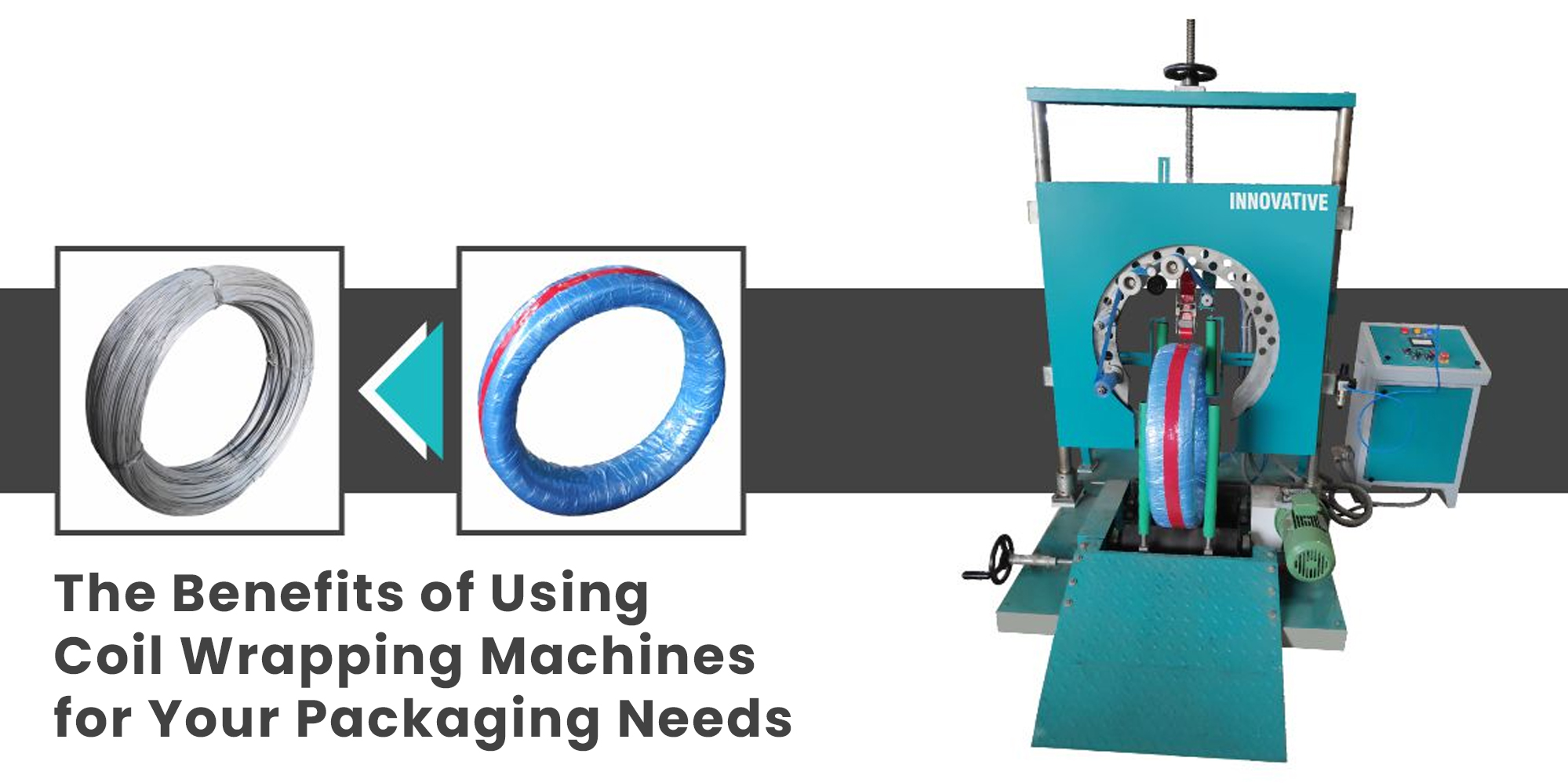
Coil Wrapping Machine Solution: Complete Industrial Guide
In modern industrial operations, efficient packaging and protection of coils—metal, wire, or cable—is essential. Manual wrapping is time-consuming, inconsistent, and prone to errors, while automated coil wrapping machine solutions deliver speed, precision, and reliability.
Innovative WrapTech Pvt. Ltd. provides industry-leading solutions designed to streamline packaging, reduce material waste, and protect products during storage and transit. This guide covers everything you need to know about coil wrapping machines, from operation to maintenance and safety.
What is a Coil Wrapping Machine Solution?
A coil wrapping machine solution is an automated or semi-automated system that wraps coils with protective stretch film or other packaging materials. The machine secures coils for handling, storage, and transport while reducing labor, material usage, and packaging time.
How It Works – Step by Step
Loading the Coil: Place the coil on the turntable, rotary arm, or conveyor depending on the machine type.
Film Attachment: Attach the stretch film to the coil base. Modern machines automatically secure the film’s start point.
Wrapping Process:
Turntable Machines: The coil rotates while the film carriage moves up and down to wrap the coil evenly.
Rotary Arm Machines: The coil remains stationary while the arm rotates around it.
Robotic or Automated Systems: Film is applied precisely with programmable cycles for large-scale operations.
Film Cut and Seal: Machines automatically cut and seal the film after the wrapping cycle completes.
Unloading: The wrapped coil is ready for storage or transport, typically removed manually or via conveyor integration.
Importance in Modern Industrial Operations
Modern industries demand speed, consistency, and safety. Coil wrapping machines offer:
Higher Efficiency: Wrap multiple coils per hour, far faster than manual methods.
Material Optimization: Reduce stretch film waste with precise tension control.
Load Protection: Prevents scratches, moisture damage, and deformation.
Operator Safety: Reduces repetitive strain and exposure to handling hazards.
Consistency: Guarantees uniform wrapping quality every time, unlike manual methods.
Types of Coil Wrapping Machines
Different operations require different machine types:
Turntable Coil Wrappers
Ideal for small to medium coils.
Coil rotates on a turntable; film carriage moves vertically.
Rotary Arm Wrappers
Arm rotates around a stationary coil for safer, stable wrapping.
Robotic/Automated Wrappers
Fully automated, programmable for high-speed, high-volume production.
Suitable for large factories with continuous packaging lines.
Conveyor Integrated Systems
Designed for continuous production lines.
Coils move automatically through wrapping, cutting, and sealing.
Standard Industry-Level Specifications
Load Capacity: 500 kg – 5000 kg (varies by model)
Coil Diameter: 200 mm – 2000 mm
Wrapping Speed: 20–60 seconds per coil (depending on machine type)
Power Supply: 3 Phase 380V / 50Hz (typical industrial standard)
Film Width: 500 mm – 1000 mm
Automation Level: Semi-automatic to fully automatic
Industries and Applications
Steel & Metal Manufacturing: Protecting steel coils during storage and shipment.
Wire & Cable Manufacturers: Prevent tangling and surface damage.
Machinery Components: Ensures safe handling of heavy, delicate coils.
Logistics & Warehousing: Efficient packaging and transport of bulk coils.
Choosing the Right Coil Wrapping Machine
Consider the following factors:
Load Capacity & Coil Size: Heavy or oversized coils require rotary arm or robotic systems.
Production Volume: High-volume facilities benefit from automated or conveyor-integrated solutions.
Material Type: Use appropriate film based on coil sensitivity and environmental conditions.
Automation Level: Determine how much manual intervention is acceptable.
Budget & ROI: Factor in long-term cost savings from reduced labor and material waste.
Common Operational Problems and Solutions
| Problem | How Machine Solves It |
|---|---|
| Film tearing or uneven wrapping | Adjustable tension, smooth carriage operation |
| Coil instability | Turntable/rotary arm ensures secure, uniform wrapping |
| High labor cost | Automation reduces manual labor significantly |
| Slow throughput | High-speed cycles and conveyor integration |
Installation, Operation, and Maintenance Best Practices
Installation: Level the floor, connect power supply, and ensure safety barriers are in place.
Operation: Train operators to set film tension, choose wrapping cycles, and monitor performance.
Maintenance:
Lubricate moving parts regularly.
Inspect rollers, sensors, and film carriage.
Replace worn components promptly.
Monitoring: Track production speed, material usage, and downtime to optimize efficiency.
Safety Standards and Operator Protection
Emergency stops and interlocks on all moving parts.
Protective barriers around turntables and rotary arms.
Compliance with ISO 12100 (safety of machinery) and local industrial safety standards.
Operator training on handling, emergency procedures, and maintenance.
Conclusion
A coil wrapping machine solution from Innovative WrapTech Pvt. Ltd. is more than just a packaging tool. It enhances productivity, reduces costs, ensures product protection, and keeps operators safe. Choosing the right machine, following best practices, and implementing proper maintenance ensures long-term reliability and efficiency in industrial packaging operations.
FAQs
1. How much can I save with a coil wrapping machine?
Most manufacturers save 20–30% on film and up to 50% on labor costs.
2. Can these machines handle irregular or heavy coils?
Yes. Rotary arm and robotic machines are designed for unstable or oversized coils.
3. How fast can a coil be wrapped?
Standard machines wrap a coil in 20–60 seconds, depending on type and size.
4. What maintenance is required?
Lubricate moving parts, check sensors and tension systems, and replace worn rollers regularly.
5. Are these machines safe for operators?
Yes. Safety interlocks, emergency stops, and barriers prevent accidents during operation.