
The Tight Fit: Unveiling the Art of Film Tension Control in Automatic Shrink Wrapping
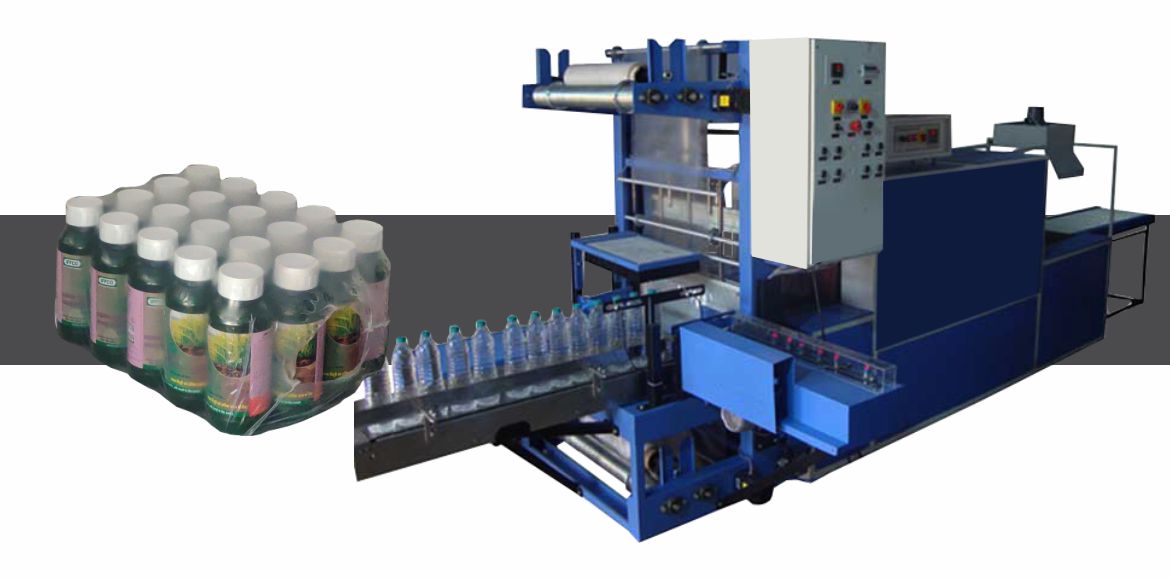
Film Tension Shrink Wrapping: Precision Packaging for Modern Industry
What is Film Tension Control Shrink Wrapping?
Film Tension Shrink Wrapping is an automated packaging process where plastic shrink film is applied around products or pallets under controlled tension, ensuring a tight, uniform, and protective seal.
This method prevents product movement, reduces packaging waste, improves appearance, and guarantees safe transport. Unlike manual wrapping, tension-controlled machines deliver consistent results at high speed.
How Does It Work?
Product Loading
Products are placed on a conveyor, pallet, or work station.Film Feeding
The shrink film roll feeds into the machine. A tension control system adjusts the stretch and grip based on product size and material.Wrapping or Enclosing
The machine wraps the film around the product using rotating arms, turntables, or conveyors.Tension Control Adjustment
Sensors maintain optimal film tension to prevent over-stretching, tearing, or loose wrapping.Heat Application (Shrink Step)
Heat tunnels or shrink bars cause the film to contract tightly around the product, creating a secure seal.Discharge & Inspection
Wrapped products exit the machine. Operators or automated sensors check for tightness, uniformity, and defects.
Why Film Tension Shrink Wrapping is Critical in Modern Industrial Operations
Ensures consistent, professional packaging
Reduces film waste and packaging costs
Protects products during storage, handling, and transport
Improves production line speed and efficiency
Supports automation and smart factory integration
Reduces labor costs and manual error
Types and Variants of Film Tension Control Shrink Machines
| Type | Best For | Key Advantages |
|---|---|---|
| Automatic Shrink Wrap Machine (Turntable) | Palletized goods, medium-to-large production | Fast, consistent, low labor, precise tension control |
| Automatic Shrink Wrap Machine (Rotary Arm) | Odd-shaped products, high-volume | Uniform wrapping for irregular shapes, reduced film waste |
| L-Sealer Shrink Wrap Machine | Small boxes, consumer products | Tight seal, compact footprint, adjustable tension |
| Inline Shrink Wrap Machine | Continuous production lines | High-speed, integrated with conveyors, easy automation |
| Heat Tunnel Shrink Systems | Complement to above | Shrink film contraction for perfect tight fit |
How to Choose the Right Film Tension Control Shrink
Considerations:
Capacity & throughput: Daily production volume
Product type & size: Pallets, boxes, irregular shapes
Film material compatibility: Polyolefin, PVC, PET
Automation level: Manual, semi-automatic, fully automatic
Budget vs. ROI: Evaluate film savings, labor reduction, and reduced product damage
Pro Tip: Higher initial investment in professional-grade machines pays off in material savings, reduced damage, and faster line speed.
Installation, Operation, and Maintenance Best Practices
Installation:
Level surface, stable power, and proper grounding
Connect to conveyors and heat tunnel exhaust properly
Daily Operation:
Check film rolls and tension sensors
Inspect heat tunnel temperature
Verify wrapped products for tightness
Weekly Maintenance:
Clean rollers, belts, and heating elements
Lubricate moving parts
Test sensors and emergency stop mechanisms
Long-Term Maintenance:
Calibrate heat tunnel temperature sensors
Perform electrical safety audits
Frequently Asked Questions (FAQs)
1. What is film tension shrink wrapping?
Film tension shrink wrapping is an automated packaging process that applies plastic shrink film around products under controlled tension, ensuring a tight, uniform, and protective seal.
2. How does film tension control improve packaging quality?
Controlled film tension prevents over-stretching or tearing of shrink film, reduces waste, and ensures consistent, professional-quality packaging every time.
3. What types of film tension shrink wrapping machines are available?
Common types include:
Turntable machines – for pallets and medium-to-large products
Rotary arm machines – for irregular or odd-shaped items
L-sealers and inline machines – for small boxes and continuous production lines
4. Which industries benefit most from film tension shrink wrapping?
Industries like FMCG, pharmaceuticals, electronics, consumer appliances, industrial machinery, and e-commerce logistics rely on shrink wrapping for product protection, presentation, and transport stability.
5. What are the best practices for operating and maintaining these machines?
Daily: Check film rolls, tension sensors, and wrapped products for quality
Weekly: Clean rollers, belts, and heating elements; lubricate moving parts
Long-term: Replace worn components, calibrate heat tunnels, and perform electrical safety audits