
Stretch Wrapping Machine
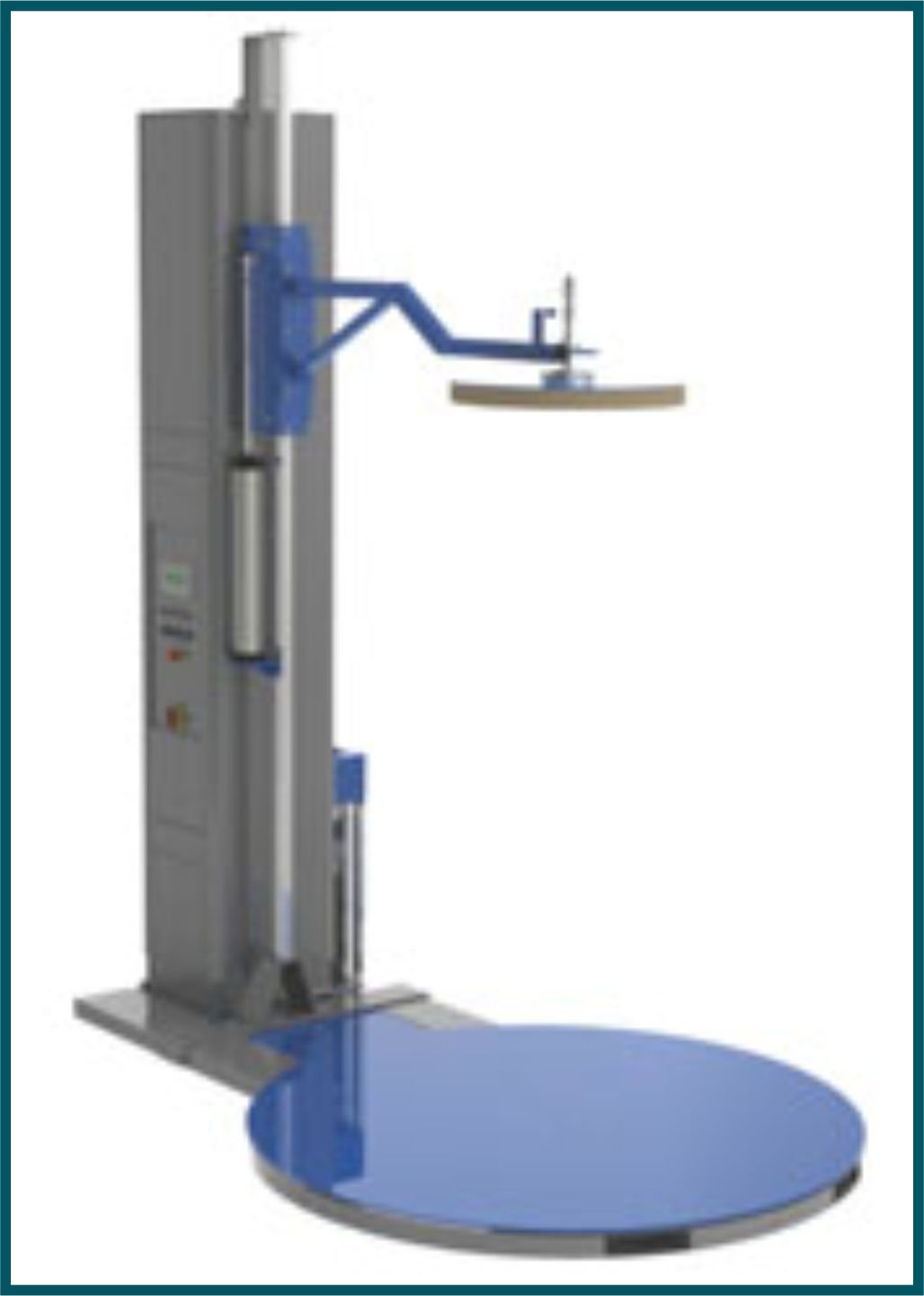
INDUSTRIAL STRETCH WRAPPING MACHINE: A COMPLETE GUIDE FOR MODERN PACKAGING
In today’s competitive manufacturing and logistics environment, packaging efficiency directly affects product safety, operational cost, and delivery reliability. As businesses scale operations, manual pallet wrapping becomes inconsistent, time-consuming, and labor-intensive. This is why companies increasingly rely on an Industrial Stretch Wrapping Machine to automate pallet packaging and ensure uniform load stability.
Stretch wrapping machines play a critical role in warehouses, production plants, and distribution centers by securing palletized goods for storage and transportation.
What Is an Industrial Stretch Wrapping Machine?
An industrial stretch wrapping machine is an automated packaging system that wraps stretch film tightly around pallet loads. The machine applies controlled tension to the film, ensuring the load remains stable while minimizing material usage. Unlike manual wrapping, machines deliver consistent results regardless of operator skill or shift duration.
These machines support adjustable wrapping cycles, film pre-stretch ratios, rotation speed control, and programmable wrapping patterns to match different load requirements.
Why Industrial Stretch Wrapping Is Essential
Stretch wrapping protects goods from damage, dust, moisture, and shifting during transit. In high-volume environments, consistency and speed are essential. An Industrial Stretch Wrapping Machine ensures every pallet meets the same packaging standard, reducing product loss and customer complaints.
Key reasons businesses adopt stretch wrapping automation include:
Faster pallet processing
Reduced labor dependency
Improved packaging quality
Lower stretch film consumption
Enhanced workplace safety
Types of Industrial Stretch Wrapping Machines
Understanding machine types helps buyers select the right solution for their operation.
1. Turntable Stretch Wrapping Machines
These machines rotate the pallet on a turntable while the film carriage moves vertically. They work best for uniform, stable pallet loads and medium production volumes.
2. Rotary Arm Stretch Wrapping Machines
Rotary arm machines keep the pallet stationary while the wrapping arm rotates around it. They suit heavy, fragile, or unstable loads where pallet movement could cause damage.
3. Rotary Ring Stretch Wrapping Machines
These high-speed systems use a rotating ring to apply film rapidly. They integrate easily with automated conveyor lines and support continuous operation.
4. Fully Automatic Stretch Wrapping Systems
Fully automatic machines operate without manual intervention and connect directly to production or warehouse conveyor systems. Many large facilities depend on an Industrial Stretch Wrapping Machine of this type to handle high throughput efficiently.
How an Industrial Stretch Wrapping Machine Works
The wrapping process follows a precise sequence:
The pallet enters the wrapping zone manually or via conveyor
Sensors detect pallet height and dimensions
Stretch film wraps around the load with controlled tension
Film layers secure the top and base of the pallet
The wrapped pallet exits ready for storage or shipping
This controlled process ensures repeatable wrapping quality and load stability.
Benefits of Using Industrial Stretch Wrapping Machines
Using automated stretch wrapping delivers measurable advantages:
Improved Load Stability: Consistent tension prevents pallet shifting
Reduced Film Waste: Pre-stretch systems optimize material usage
Higher Productivity: Faster wrapping cycles increase throughput
Lower Labor Costs: Automation reduces manual handling
Enhanced Safety: Less physical strain minimizes workplace injuries
For growing operations, investing in the right Industrial Stretch Wrapping Machine directly improves long-term efficiency and cost control.
Industries That Use Industrial Stretch Wrapping Machines
Stretch wrapping machines are widely used across industries such as:
Manufacturing and engineering
Logistics and warehousing
Food and beverage processing
Pharmaceuticals and chemicals
Export and distribution centers
In these sectors, consistent packaging standards are critical for compliance and customer satisfaction.
How to Choose the Right Stretch Wrapping Machine
Before purchasing, businesses should evaluate:
Pallet size and maximum load weight
Daily and hourly pallet volume
Level of automation required
Floor space and layout constraints
Film type and thickness compatibility
Service support and spare parts availability
Choosing the correct Industrial Stretch Wrapping Machine ensures scalability and reliable performance over time.
An industrial stretch wrapping machine is more than a packaging tool—it is a productivity asset. By automating pallet wrapping, businesses achieve better load security, lower packaging costs, and improved operational consistency. Companies that invest in the right equipment strengthen their supply chain and gain a competitive advantage in modern logistics and manufacturing environments.
Frequently Asked Questions (FAQ)
1. What is an industrial stretch wrapping machine used for?
It secures palletized goods using stretch film to protect products during storage and transportation.
2. How does stretch wrapping reduce packaging costs?
Controlled film tension and pre-stretch systems reduce film consumption and material waste.
3. What is the difference between turntable and rotary arm machines?
Turntable machines rotate the pallet, while rotary arm machines keep the pallet stationary and rotate the wrapping arm.
4. Can stretch wrapping machines be fully automated?
Yes, fully automatic systems integrate with conveyor lines and operate without manual intervention.
5. Which industries benefit most from stretch wrapping machines?
Manufacturing, logistics, pharmaceuticals, FMCG, and export industries benefit the most.