Products

Shrink Packing Machine Price

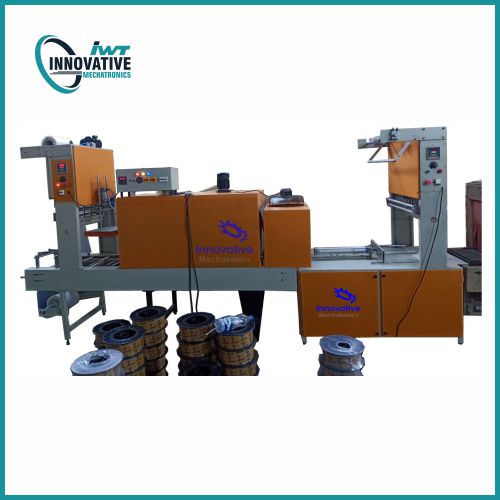
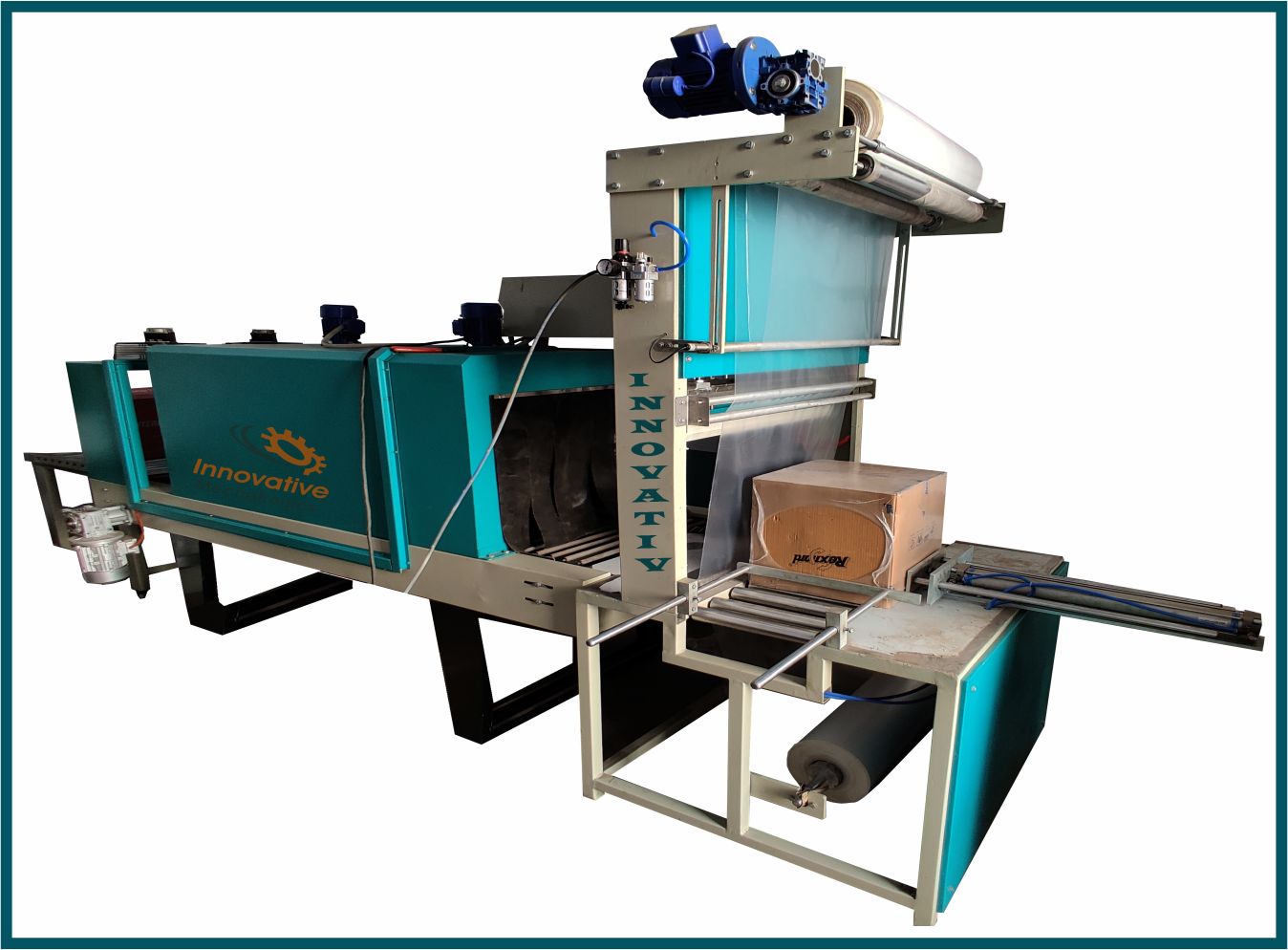
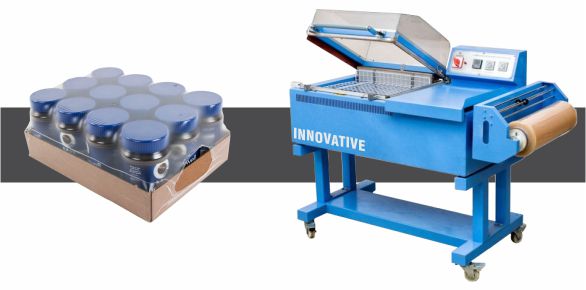
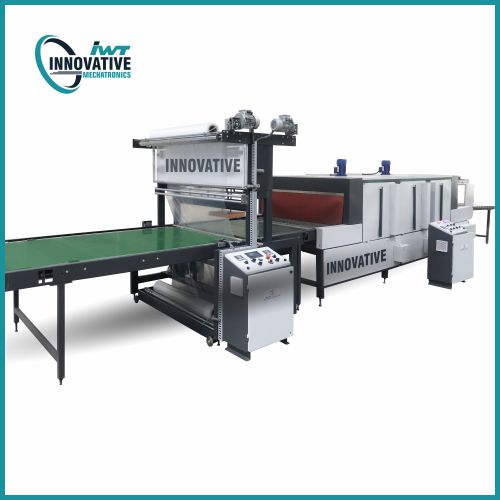
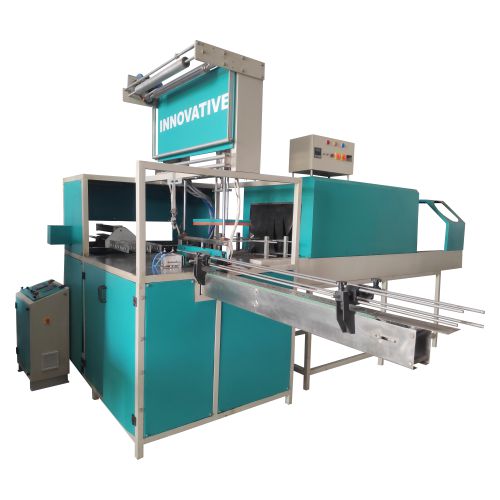
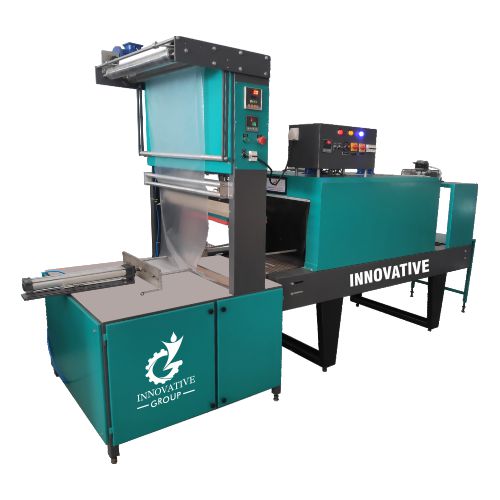
Industrial shrink packing machine automatically sealing and wrapping products with heat shrink film in a factory production line

Shrink Packing Machine Price

A Shrink Packing Machine is an industrial system that automatically wraps products in heat-shrinkable film, seals them, and shrinks the film tightly around the items. This process creates secure, tamper-proof, and professional packaging suitable for retail, logistics, or bulk shipment.

These machines replace manual packing, improving speed, precision, and overall packaging quality. They are widely used in beverages, FMCG, pharmaceuticals, e-commerce, and electronics industries.

How Does a Shrink Packing Machine Work?

  1. Product Infeed
    Products enter via a conveyor or automatic hopper. Guides and sensors align each item accurately for wrapping.

  2. Film Feeding & Tension Control
    Shrink film (POF or LDPE) unwinds from rolls. Servo-driven tensioners ensure smooth feeding and prevent wrinkles or tears.

  3. Wrapping & Sealing
    The product is enveloped in film. Heat-sealing units cut and seal the film edges, forming strong, uniform seals.

  4. Heat Shrinking
    Products pass through a shrink tunnel where hot air evenly shrinks the film around the product.

  5. Cooling & Discharge
    Cooling fans stabilize the film. Finished packs exit on the outfeed conveyor, ready for labeling, boxing, or palletizing.

Why Shrink Packing Machines Are Critical in Industrial Operations

  • High-speed production: Supports continuous, high-volume packaging lines

  • Consistent quality: Ensures uniform wrapping and sealing for all products

  • Product protection: Shields items from dust, moisture, and tampering

  • Cost efficiency: Reduces labor requirements and material wastage

  • Compliance: Meets industrial safety and packaging standards

Manual packing cannot match the efficiency, reliability, or safety of automated shrink packing machines.

Key Technical Features and Operational Benefits

  • Servo-driven conveyors: Precise product handling at high speed

  • PLC-based automation: Error-free and consistent operation

  • Automatic size adjustment: Reduces downtime during product changeovers

  • High-speed shrink tunnels: Uniform heat distribution ensures quality wrapping

  • Optional vision inspection: Detects misaligned packs or defective seals

Operational benefits: higher throughput, reduced rejects, improved packaging aesthetics, and enhanced operator safety.

Installation, Operation, and Maintenance Best Practices

Installation

  • Level, vibration-free floor

  • Adequate electrical supply and grounding

  • Sufficient space for maintenance

  • Controlled temperature and humidity for optimal film performance

Daily Operation

  • Clean debris and dust from conveyor and sealing areas

  • Inspect belts, guides, and sensors

  • Test emergency stop and safety features

Weekly Maintenance

  • Lubricate moving parts

  • Inspect sealing elements, heaters, and shrink tunnel airflow

  • Verify PLC and sensor calibration

Long-Term Maintenance

  • Replace wear parts based on usage hours

  • Conduct electrical and safety audits

  • Upgrade firmware and control systems

Future Trends and Automation

  • Predictive maintenance with IoT sensors

  • AI-based vision inspection for quality control

  • Energy-efficient servo systems

  • Integration with MES, ERP, and Industry 4.0 platforms

  • Fully automated, unmanned packaging lines

Innovative WrapTech machines are designed for future-ready smart factories.

Frequently Asked Questions (FAQs)

1. What factors affect the price of a shrink packing machine?

Price depends on machine type (semi-automatic or fully automatic), production capacity, size and type of products, film compatibility, and optional features like PLC control, conveyor integration, or heat tunnels.

2. What is the typical price range?

Semi-automatic machines range from ₹40,000 to ₹2,00,000, while fully automatic machines range from ₹2,00,000 to ₹8,00,000 or more, depending on specifications and customization.

3. Does customization increase the cost?

Yes. Custom features such as handling larger products, irregular shapes, high-speed operation, or specialized shrink films can increase the overall price.

4. Are there additional operational costs?

Yes. Additional costs include electricity, shrink film consumption, routine maintenance, and replacement of sealing blades or heating elements as needed.

5. How can I get an accurate price quote?

Provide the manufacturer or supplier with details about your products, production capacity, and preferred shrink film. They will suggest the suitable machine model and give a tailored quote.
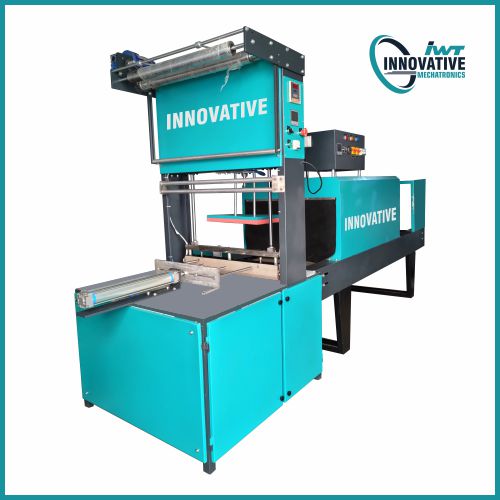
Shrink Wrapping And Packing Machine

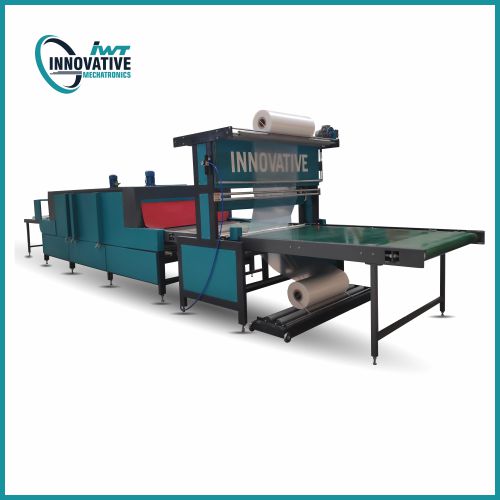
Industrial shrink wrapping and packing machine automatically packaging bottles, cartons, and multipacks in a factory production line

Shrink Wrapping Packing Machine

A Shrink Wrapping Packing Machine is an industrial system that automatically wraps and seals products using heat-shrinkable film, producing tight, secure, and professional packaging.

This machine combines shrink wrapping and packing functions in a single unit, allowing manufacturers to increase throughput, reduce labor, and maintain consistent product quality.

Industries that use these machines include food & beverages, pharmaceuticals, FMCG, electronics, and e-commerce packaging operations.

How Does a Shrink Wrapping Packing Machine Operate? (Step-by-Step Technical Process)

  1. Product Infeed
    Products enter the machine through a conveyor or feeder system. Alignment guides and sensors position each item precisely.

  2. Film Feeding & Tension Control
    Shrink film (POF/LDPE) is automatically fed from rolls. Servo motors ensure uniform tension to avoid wrinkles or breakage.

  3. Wrapping & Sealing
    The machine wraps each product and uses heat-sealing units to cut and seal the film edges. The result is strong, uniform seals.

  4. Heat Shrinking
    Wrapped products pass through a shrink tunnel where hot air evenly shrinks the film to the product’s contours.

  5. Packing & Discharge
    Products are grouped, packed, and discharged via the outfeed conveyor, ready for boxing, palletizing, or direct shipment.

Why This Machine Is Critical in Modern Industrial Operations

  • High-speed production: Handles large volumes efficiently

  • Consistent quality: Eliminates human error in sealing and packing

  • Product protection: Prevents tampering, dust, and moisture exposure

  • Cost efficiency: Reduces labor and material waste

  • Compliance: Meets ISO, CE, and industrial safety standards

Manual wrapping and packing cannot match the speed, uniformity, or reliability of these automated systems.

Types and Variants of Shrink Wrapping Packing Machines

TypeIdeal UseAdvantages
Fully Automatic MachineLarge-volume productionMax speed, minimal labor, high consistency
Semi-Automatic MachineMedium-output productionFlexible, cost-effective, easy operation
L-Sealer MachineOdd-shaped products & cartonsAccurate sealing, professional finish
Continuous Motion MachineUltra-high-speed linesContinuous operation, minimal downtime

Key Technical Features and Operational Benefits

  • Servo-driven conveyors: Smooth, precise product handling

  • PLC-based automation: Error-free, repeatable operation

  • Automatic size adjustment: Reduces downtime during product changeovers

  • High-speed shrink tunnels: Uniform heat distribution for quality wrapping

  • Optional vision inspection: Detects defective seals or misaligned packs

Benefits: Increased throughput, reduced rejects, consistent aesthetics, and enhanced operator safety.

Standard Industry-Level Technical Specifications

  • Production capacity: 15–120 packs/min (depending on type)

  • Film type: POF / LDPE

  • Power supply: 220–440V, 50/60 Hz

  • Operating temperature: 100–250°C for shrink tunnel

  • Machine dimensions: 2–6 m length, 1–2 m width

  • Automation: Semi-automatic to fully automatic

  • Weight: 500–1500 kg

Installation, Operation, and Maintenance Best Practices

Installation

  • Level, vibration-free flooring

  • Adequate electrical supply and grounding

  • Space for maintenance and inspection

  • Controlled temperature and humidity for optimal film performance

Daily Operation

  • Clean debris from conveyor and sealing areas

  • Inspect belts, sensors, and emergency stops

  • Monitor tunnel temperature and sealing units

Weekly Maintenance

  • Lubricate moving parts

  • Inspect sealing elements and heaters

  • Verify PLC and sensor calibration

Long-Term Maintenance

  • Replace wear parts based on usage hours

  • Conduct electrical and safety audits

  • Upgrade firmware and control systems

Frequently Asked Questions (FAQs)

1. What products can this machine handle?

The machine can wrap and pack a wide range of products including bottles, cartons, boxes, tiles, batteries, wires, and boards, providing uniform, dust-proof, and tamper-evident shrink packaging.

2. Can it handle multiple product sizes?

Yes. Adjustable guides, conveyors, and shrink tunnel settings allow handling of different product sizes and shapes efficiently.

3. Which shrink films are compatible?

It works with Polyolefin (POF), Polyethylene (PE), and PVC films. POF is preferred for clarity, durability, and professional presentation.

4. What is the production capacity?

Depending on the model, it can wrap and pack 500–3,000 units per hour, suitable for small, medium, and high-volume production lines.

5. How does automation reduce operational costs?

Automation reduces labor requirements, minimizes film wastage, prevents packaging errors, and increases throughput, resulting in lower overall production costs and consistent packaging quality.

Shrink Wrapping | Shrink Wrap Packaging

Industrial shrink wrap packaging machine wrapping bottles, cartons, and multipacks in heat-shrink film on a factory production line

Shrink Wrapping

Shrink wrap packaging protects, secures, and presents products efficiently in modern industrial operations. Manufacturers use heat-shrinkable films to wrap items tightly, improving durability, safety, and appearance.

How Shrink Wrap Packaging Works

  1. Feed Products: Place items on a conveyor or in a feeder system.

  2. Wrap with Film: The machine covers each product with shrinkable film.

  3. Seal Edges: Heat-sealing units cut and seal the film edges securely.

  4. Shrink the Film: Products pass through a heat tunnel, and the film shrinks tightly around them.

  5. Cool & Discharge: Cooling stabilizes the packaging, and finished products exit the machine for shipping or display.

Advantages shrink wrap packaging

  • Protects products from dust, moisture, and tampering.

  • Enhances presentation with clear, tight, professional-looking packaging.

  • Reduces labor by automating the wrapping process.

  • Increases efficiency in high-speed production lines.

  • Saves materials by using minimal film with precise sealing.

  • Improves logistics by keeping products stable during transport.

Key Features of Shrink Wrap Packaging

  • Automatic or semi-automatic operation for high-speed production.

  • Adjustable shrink tunnels for different product sizes and film types.

  • Servo-driven conveyors to align and transport products precisely.

  • PLC-based control systems for error-free and repeatable operations.

  • Compatible with POF, LDPE, and PVC films for flexibility.

  • Optional vision inspection to detect defects or misalignment.

Frequently Asked Questions (FAQs)

Q1: What products can I shrink wrap?
A1: Bottles, cans, boxes, cartons, electronics, multipacks, and irregular-shaped items.

Q2: Can shrink wrap packaging increase production speed?
A2: Yes, automated shrink wrap machines significantly increase throughput while maintaining consistent quality.

Q3: Is shrink wrap packaging safe for operators?
A3: Yes, modern machines have enclosed heat zones, emergency stops, and protective barriers to ensure operator safety.

Q4: Which films are used in shrink wrap packaging?
A4: Common films include POF (Polyolefin), LDPE (Low-Density Polyethylene), and PVC, selected based on product type and shrink requirements.

Q5: How does shrink wrap packaging reduce costs?
A5: It reduces labor, prevents product damage, minimizes film wastage, and lowers rejects, providing a strong ROI for manufacturers.

High Speed Shrink Wrapping

High-Speed Shrink Wrapping Machine by Innovative WrapTech Pvt. Ltd. in industrial packaging setup, showing conveyor-fed products with shrink film sealing and heat tunnel.

High-Speed Shrink Wrapping Machine – Innovative WrapTech Pvt. Ltd.

Buy high-speed shrink wrapping machines from Innovative WrapTech Pvt. Ltd. for efficient, precise, and safe packaging. Explore types, features, ROI benefits, and smart factory integration.

A high-speed shrink wrapping machine is an industrial packaging solution designed to wrap products quickly and securely using shrink films. These machines use heat to conform the film tightly around individual or grouped products, providing protection, tamper evidence, and a professional retail-ready finish.

High-speed variants excel in high-volume production environments where efficiency and consistency are critical. They are widely used in food and beverage, pharmaceuticals, cosmetics, electronics, and FMCG industries.

How the Machine Works – Step-by-Step

High-speed shrink wrapping machines operate in a systematic process:

  1. Product Feeding:
    Operators or automated conveyors feed products into the wrapping section.

  2. Film Feeding:
    The machine automatically pulls shrink film from the roll and positions it around the product.

  3. Sealing:
    A heat-sealing mechanism creates a tight seam, securing the film around the product.

  4. Shrink Tunnel Passage:
    The sealed product passes through a heated shrink tunnel, where controlled heat shrinks the film uniformly.

  5. Cooling & Discharge:
    Products exit the tunnel cooled and perfectly wrapped, ready for packing or shipment.

Operational Advantages:

  • Speeds up production while maintaining uniform packaging.

  • Reduces material waste due to precise film cutting and sealing.

  • Minimizes manual handling, lowering labor costs and errors.

Types and Variants

TypeUse CaseAdvantages
Automatic High-Speed Shrink WrapperLarge-scale production with continuous feedMaximum efficiency, minimal labor, integrates with conveyors
Semi-Automatic Shrink WrapperMedium-volume linesFlexibility, lower upfront cost, easier maintenance
Inline Shrink WrapperProducts already on conveyorSmooth integration, high output, consistent speed
L-Bar Shrink WrapperMulti-product trays or bundlesPrecise sealing, compact footprint, ideal for irregular shapes

Safety Standards & Compliance

  • Complies with CE, ISO 12100, and industrial safety regulations.

  • Equipped with emergency stop buttons, thermal cutoffs, and interlock systems.

  • Operators must wear heat-resistant gloves, safety glasses, and protective clothing.

  • Proper training reduces accidents and ensures consistent output quality.

Buying Considerations

When selecting a high-speed shrink wrapping machine, consider:

  • Production Volume: Machines must match your peak output.

  • Product Types & Sizes: Choose flexible sealing mechanisms for varied products.

  • Power & Energy Requirements: High-speed machines consume more energy; evaluate efficiency.

  • Material Compatibility: Ensure the machine handles your preferred shrink film type.

  • ROI Factors: Labor savings, reduced material waste, and faster throughput justify investment.

  • Automation Potential: Machines with smart factory compatibility improve long-term scalability.

Cost Logic:
Professional-grade machines cost more upfront but offer durability, reduced downtime, and lower long-term operational costs compared to low-cost alternatives.

Future Trends

  • Automation & IoT Integration: Real-time monitoring, predictive maintenance, and smart production lines.

  • Energy-Efficient Heat Tunnels: Reduces energy costs while maintaining shrink quality.

  • AI & Vision Systems: Automated quality control and defect detection.

  • Sustainable Materials Handling: Supports eco-friendly shrink films with optimized heat settings.

Frequently Asked Questions (FAQs)

1. What products can a high-speed shrink wrapping machine handle?

It can handle bottles, cans, cartons, boxes, multipacks, electronics, and irregular-shaped products while maintaining consistent quality at high production speeds.

2. How fast can a high-speed shrink wrapping machine operate?

Depending on the model, production capacity ranges from 1,000 to 5,000 units per hour, making it ideal for large-scale industrial packaging.

3. Which shrink films are compatible?

These machines typically support POF (Polyolefin), LDPE (Low-Density Polyethylene), and PVC films, chosen according to product type and shrink requirements.

4. Is it safe for operators?

Yes. High-speed machines come with enclosed heat zones, emergency stops, and protective barriers to ensure operator safety during operation.

5. How does high-speed shrink wrapping reduce operational costs?

Automation reduces labor, prevents product damage, minimizes film wastage, increases throughput, and lowers rejects, providing a high ROI for manufacturers.

Shrink Wrapping System by Innovative WrapTech Pvt. Ltd.

Industrial shrink wrapping system in operation, wrapping products at high speed using automated sealing and heat tunnel technology.

Shrink Wrapping System – Industrial Packaging Guide

A shrink wrapping system is an industrial packaging solution that encloses products in shrink film and applies controlled heat to tightly conform the film around the product or product bundle. The system improves product protection, load stability, visual appeal, and transport safety while maintaining high production efficiency.

Manufacturers use shrink wrapping systems to pack single products, multipacks, cartons, trays, and pallet loads in a fast, consistent, and cost-effective manner.

How a Shrink Wrapping System Works (Step-by-Step Technical Operation)

A shrink wrapping system operates through a controlled mechanical and thermal process:

Step 1: Product Infeed

Products enter the system through manual loading or automatic conveyor feed. Sensors detect product position and spacing.

Step 2: Film Dispensing

The system unwinds shrink film (PVC, POF, or LDPE) from the roll and positions it around the product using guides and rollers.

Step 3: Sealing Operation

Heated sealing jaws or L-bar sealers cut and seal the film, forming a loose sleeve or pouch around the product.

Step 4: Heat Shrinking

The sealed product moves into a shrink tunnel, where hot air circulates evenly. The film shrinks uniformly around the product surface.

Step 5: Cooling & Discharge

After exiting the tunnel, the film cools and tightens, creating a strong, tamper-evident, and visually clean package. The system discharges the finished pack for secondary handling or dispatch.

Why Shrink Wrapping Systems Are Critical in Modern Industry

Shrink wrapping systems play a vital role in today’s manufacturing environment because they:

  • Increase packaging speed and throughput

  • Reduce labor dependency and human error

  • Provide consistent pack quality

  • Improve product safety during storage and transport

  • Support automation and smart factory workflows

Types of Shrink Wrapping Systems and Their Applications

1. Semi-Automatic Shrink Wrapping System

Used when:

  • Medium production volumes

  • Multiple product sizes

  • Budget-conscious operations

Advantages:

  • Flexible operation

  • Lower capital investment

  • Simple maintenance

2. Automatic Shrink Wrapping System

Used when:

Advantages:

  • High-speed output

  • Minimal operator intervention

  • Consistent packaging quality

3. L-Bar Shrink Wrapping System

Used when:

  • Retail-ready packaging

  • Single products or multipacks

Advantages:

4. Sleeve Shrink Wrapping System

Used when:

  • Tray packs and bundled products

  • Beverage, dairy, and FMCG industries

Advantages:

  • High-speed bundling

  • Strong load stability

  • Ideal for heavy products

5. Pallet Shrink Wrapping System

Used when:

  • Full pallet load protection

Advantages:

  • Weather and dust protection

  • Improved transport safety

Key Technical Features and Real Operational Benefits

  • Temperature-Controlled Shrink Tunnel
    Ensures uniform shrink without product damage.

  • Variable Speed Drives (VFD)
    Matches packaging speed with production output.

  • Automatic Film Centering & Tension Control
    Reduces film waste and improves pack appearance.

  • Touchscreen HMI Panel
    Simplifies operation, diagnostics, and recipe storage.

  • Safety Interlocks & Emergency Stops
    Protect operators and equipment.

How to Choose the Right Shrink Wrapping System

When selecting a shrink wrapping system, evaluate:

  • Production Capacity: Match machine speed to peak output

  • Product Size & Weight: Determines tunnel size and conveyor strength

  • Film Material: Compatibility with PVC, POF, or LDPE

  • Automation Level: Semi-automatic vs fully automatic

  • Available Space: Machine footprint and layout

  • Budget & ROI: Balance initial cost with long-term efficiency

Frequently Asked Questions (FAQs)

Q1. Which shrink film is best for my application?
POF suits retail and food products, LDPE works best for heavy-duty industrial packaging.

Q2. Can the system integrate with my existing production line?
Yes, automatic systems support conveyor and PLC integration.

Q3. What is the expected service life?
With proper maintenance, industrial shrink wrapping systems operate reliably for 10–15 years.

Chamber Type Shrink Wrap Machine

Chember type shrink wrap machine

Chamber Type Shrink Wrap Machine

A chamber type shrink wrap machine is a compact packaging system that performs sealing and shrinking in a single enclosed chamber. The operator places the product inside the chamber, lowers the lid, and the machine seals the shrink film and applies heat to tightly wrap the product.

Manufacturers use chamber machines where space is limited, production volumes are low to medium, and packaging flexibility is important. These machines are widely used for retail packs, pharmaceuticals, food items, books, cosmetics, and industrial components.

How the Chamber Type Shrink Wrap Machine Works

Step-by-Step Technical Operation

  1. Product Placement
    The operator positions the product inside the shrink film and places it on the sealing plate inside the chamber.

  2. Chamber Closing
    The operator lowers the transparent chamber lid, which activates the sealing and shrinking cycle.

  3. Film Sealing
    The sealing bar cuts and seals the film around the product with controlled heat and pressure.

  4. Heat Shrinking Inside Chamber
    Heating elements circulate hot air within the closed chamber, causing the film to shrink uniformly around the product.

  5. Cooling and Release
    After the shrink cycle completes, the chamber opens automatically or manually, and the finished pack is removed.

This combined process ensures consistent packaging quality with minimal operator skill.

Why Chamber Type Shrink Wrap Machines Matter in Modern Industry

Chamber machines remain critical in modern operations because they:

  • Deliver professional packaging without complex automation

  • Reduce dependency on manual wrapping methods

  • Maintain consistent seal quality and shrink finish

  • Fit easily into small workshops and production floors

  • Offer cost-effective packaging for short and medium runs

Advantages Over Manual or Alternative Packaging

Manual WrappingChamber Shrink Wrap
Inconsistent finishUniform, tight shrink
High labor fatigueSimple, repeatable operation
Poor protectionTamper-evident packs
Material wastageControlled film usage

Types and Variants of Chamber Type Shrink Wrap Machines

1. Manual Chamber Shrink Wrap Machine

Best suited for:

Advantages:

  • Lowest investment cost

  • Simple construction

  • Easy maintenance

2. Semi-Automatic Chamber Shrink Wrap Machine

Best suited for:

  • Medium production volumes

  • Consistent daily output

Advantages:

3. Pneumatic Chamber Shrink Wrap Machine

Best suited for:

  • Operator comfort

  • Repetitive packaging operations

Advantages:

  • Reduced operator effort

  • Improved sealing consistency

  • Longer component life

Common Industries and Applications

Chamber type shrink wrap machines are commonly used in:

  • Pharmaceuticals and medical devices

  • Food products (bakery, confectionery, ready-to-eat)

  • Cosmetics and personal care

  • Books, stationery, and printed materials

  • Electronics and spare parts

  • Promotional and retail packaging

A Chamber Type Shrink Wrap Machine from Innovative WrapTech Pvt. Ltd. is the right choice if you need:

  • Compact and cost-effective packaging

  • Reliable seal and shrink quality

  • Low to medium production output

  • Simple operation with minimal training

Frequently Asked Questions (FAQs)

Q1. What is a chamber type shrink wrap machine used for?
A chamber type shrink wrap machine is used to pack products by sealing and shrinking film in a single step. It is ideal for boxes, cosmetics, books, food trays, electronics, and small industrial items.

Q2. Which shrink films are compatible with chamber machines?
Chamber machines work efficiently with PVC and POF shrink films. Polyolefin (POF) is preferred for food and retail products due to its clarity and safety.

Q3. Is a chamber shrink wrap machine suitable for small businesses?
Yes. It is a cost-effective solution for small to medium production volumes, offering compact design, low power consumption, and easy operation.

Q4. How fast is a chamber type shrink wrapping machine?
Depending on product size and operator skill, it can pack 300–600 products per hour, making it suitable for batch and semi-continuous operations.

Q5. Does the machine require skilled operators?
No. Basic training is sufficient. The machine features simple controls for temperature, sealing, and shrink timing.

Semi-Automatic Shrink Wrapping Machine – Innovative WrapTech Pvt. Ltd.

Semi-automatic shrink wrapping machine wrapping products using heat tunnel and conveyor system for consistent industrial packaging.

Semi-Automatic Shrink Wrapping Machine

A semi-automatic shrink wrapping machine is an industrial packaging solution where the operator places the product and initiates sealing, while the machine automatically handles film sealing and heat shrinking through a conveyor-driven shrink tunnel.

Manufacturers use semi-automatic systems when they need higher consistency and speed than manual wrapping, but do not yet require a fully automatic line.

How a Semi-Automatic Shrink Wrapping Machine Works

Step-by-Step Technical Operation

  1. Product Loading
    The operator positions the product inside shrink film or a center-folded film on the sealing table.

  2. Film Sealing
    The sealing arm (L-sealer or side sealer) cuts and seals the film around the product.

  3. Transfer to Shrink Tunnel
    The conveyor moves the sealed product into the shrink tunnel automatically.

  4. Heat Shrinking Process
    Controlled hot air circulates inside the tunnel, shrinking the film evenly around the product.

  5. Cooling and Discharge
    The product exits the tunnel with a tight, durable, and tamper-evident wrap.

This workflow balances operator flexibility with machine-controlled consistency.

Why Semi-Automatic Shrink Wrapping Is Important in Modern Industry

Semi-automatic shrink wrapping plays a key role in industries transitioning from manual packaging to automation.

Key Advantages Over Manual or Alternative Methods

  • Faster packaging with consistent output

  • Reduced labor fatigue and dependency

  • Improved product protection during handling and transport

  • Uniform seal quality and professional appearance

  • Lower packaging material wastage

Manual WrappingSemi-Automatic Shrink Wrapping
Slow outputControlled, repeatable speed
Inconsistent finishUniform shrink quality
High labor costReduced manpower
Safety risksGuarded, controlled heat

System Variants Based on Packaging Requirements

1. L-Sealer with Shrink Tunnel

Used when:

  • Mixed product sizes

  • Retail and consumer packaging

Advantages:

  • Clean, precise sealing

  • Compact layout

  • High visual appeal

2. Side Sealer Shrink Wrapping Machine

Used when:

Advantages:

  • No product length limitation

  • Higher throughput

  • Smooth conveyor integration

3. Sleeve Type Semi-Automatic Shrink Wrapper

Used when:

  • Tray packs or bundled products

Advantages:

  • Strong load stability

  • Ideal for beverages and FMCG

Standard Industry-Level Technical Specifications

ParameterTypical Range
Output Capacity8–25 packs/min
Film TypePVC, POF, LDPE
Power Supply380–415V, 3 Phase
Tunnel Temperature150°C – 250°C
Conveyor Load20–40 kg
Control SystemDigital / PLC
ConstructionHeavy-duty MS / SS

How to Choose the Right Semi-Automatic Shrink Wrapping Machine

When selecting a machine, evaluate:

  • Production Capacity: Daily and peak output

  • Product Dimensions: Length, width, and weight

  • Shrink Film Type: PVC, POF, or LDPE compatibility

  • Automation Level: Manual handling vs conveyor integration

  • Available Floor Space: Machine and tunnel layout

  • Budget and ROI: Operating cost vs productivity gains

Industries and Real-World Applications

  • Food and beverage packaging

  • FMCG and consumer goods

  • Pharmaceuticals and healthcare

  • Cosmetics and personal care

  • Electrical and electronics

  • Printing and stationery

Frequently Asked Questions (FAQs)

Q1. Which film works best?
POF works best for retail packs, while LDPE suits heavier products.

Q2. What is the service life?
With proper maintenance, machines operate reliably for 10–15 years.

A Semi-Automatic Shrink Wrapping Machine from Innovative WrapTech Pvt. Ltd. is ideal if you need:

  • Professional packaging quality

  • Medium-volume production capacity

  • Controlled automation without high capital investment

  • Reliable performance and long-term ROI

This solution bridges the gap between manual wrapping and fully automatic packaging lines.

Automatic Shrink Wrapping Machine | Innovative WrapTech Pvt. Ltd.

Automatic shrink wrapping machine packaging products at high speed using conveyor-fed sealing and heat tunnel technology for industrial production lines.

Automatic Shrink Wrapping Machine – High-Speed Industrial Packaging Solution

An automatic shrink wrapping machine is a fully integrated industrial packaging system that wraps, seals, and shrinks products without manual handling. The machine automatically feeds products, applies shrink film, seals it, and passes the pack through a heat tunnel to create a tight, secure, and tamper-evident package.

Manufacturers use automatic systems where high speed, consistent quality, and minimal labor dependency are critical to production efficiency.

How the Automatic Shrink Wrapping Machine Works

Step-by-Step Technical Operation

  1. Automatic Product Infeed
    Products arrive on an infeed conveyor synchronized with upstream production equipment.

  2. Film Unwinding and Positioning
    The machine automatically unwinds shrink film and positions it around the product using guides and rollers.

  3. Automatic Sealing
    Sealing units (side sealer, L-sealer, or sleeve former) cut and seal the film precisely around the product.

  4. Transfer to Shrink Tunnel
    The conveyor moves the sealed product into a temperature-controlled shrink tunnel.

  5. Heat Shrinking Process
    Hot air circulates evenly in the tunnel, shrinking the film uniformly without deforming the product.

  6. Cooling and Discharge
    The finished pack exits the tunnel, cools, and transfers to downstream handling or palletizing systems.

Why Automatic Shrink Wrapping Machines Are Critical in Modern Industry

Automatic shrink wrapping machines support high-volume manufacturing and lean production models.

Key Advantages Over Manual or Semi-Automatic Methods

Manual / Semi-AutomaticAutomatic System
Limited speedHigh throughput
Operator-dependentProcess-controlled
Inconsistent sealingUniform packaging
Higher downtimeContinuous operation

Industries and Real-World Applications

Automatic shrink wrapping machines are widely used in:

  • Food and beverage manufacturing

  • FMCG and consumer goods

  • Pharmaceuticals and healthcare

  • Cosmetics and personal care

  • Electronics and electrical goods

  • Printing and paper products

How to Choose the Right Automatic Shrink Wrapping Machine

Consider the following factors:

  • Production Capacity: Required packs per minute

  • Product Dimensions: Length, width, height, and weight

  • Film Material: Compatibility with POF or LDPE

  • Automation Level: Line integration requirements

  • Floor Space: Layout and future expansion

  • Budget and ROI: Energy cost vs throughput gains

Safety Standards, Compliance, and Operator Protection

Innovative WrapTech machines comply with:

  • CE and ISO safety standards

  • Emergency stop systems

  • Guarded sealing and tunnel sections

  • Electrical overload protection

Operators require minimal intervention, significantly reducing exposure to heat and moving parts.

Frequently Asked Questions (FAQs)

Q1. Can automatic shrink wrapping machines run 24/7?
Yes, industrial-grade systems support continuous operation with scheduled maintenance.

Q2. Which film works best?
POF suits retail packs; LDPE works best for heavy or bundled products.

Q3. What is the expected service life?
With proper maintenance, machines operate reliably for 12–15 years.