
Stretch Wrapping Machine
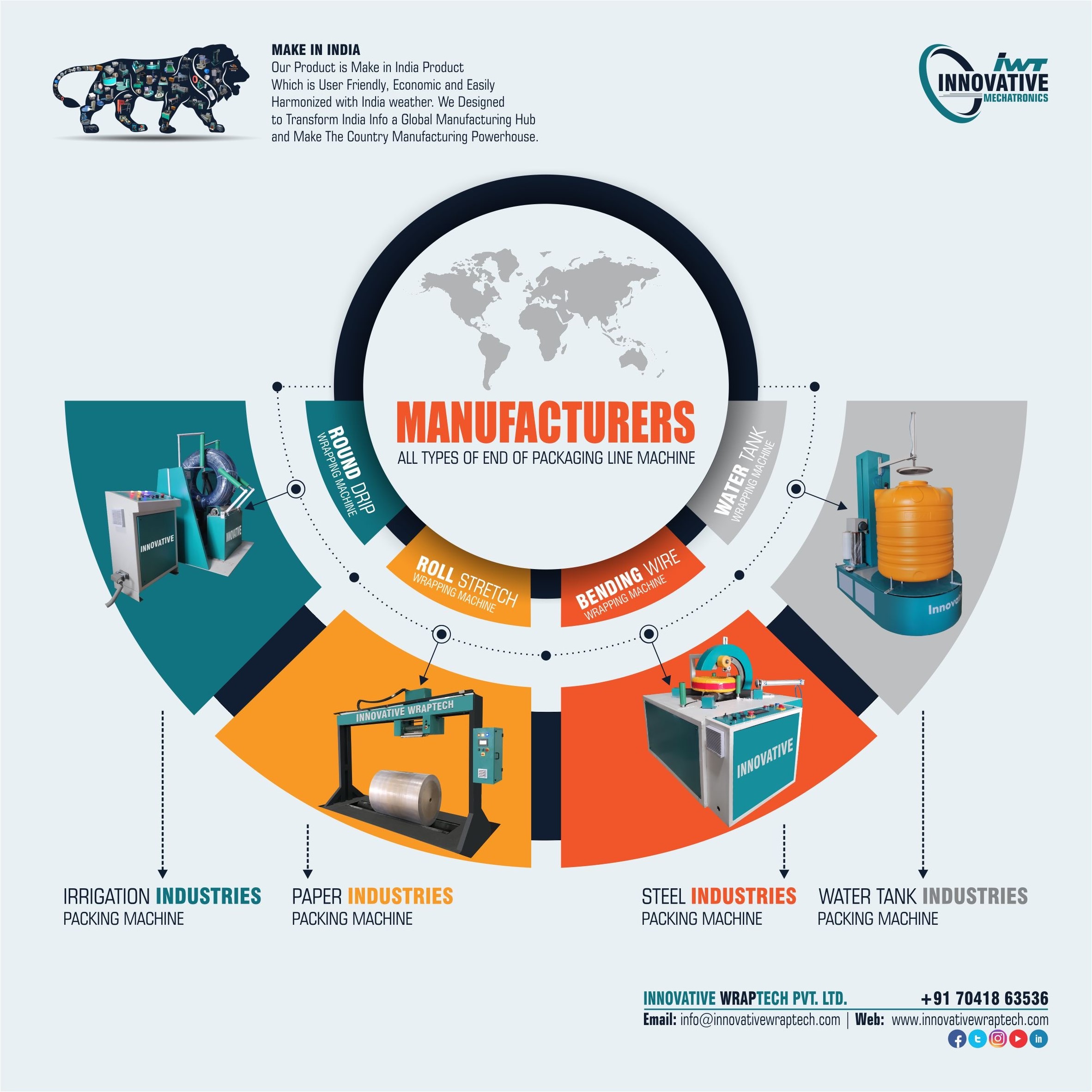
Stretch Wrapping Machine: Efficient Pallet Packaging Solutions
A stretch wrapping machine is a crucial part of modern packaging and logistics. It secures palletized goods efficiently, reducing damage during transit and storage. Industries—from manufacturing to e-commerce—depend on these machines for speed, safety, and cost-efficiency.
Automation has made it easy to choose between automatic and semi-automatic stretch wrapping machines. Selecting the right machine can save time, reduce film wastage, and enhance operational productivity.
What is a Stretch Wrapping Machine?
A Stretch Wrapping Machine is a mechanical device used to wrap palletized goods with stretch film, ensuring that products remain stable, secure, and protected during storage and transportation. By tightly bundling items, it reduces the risk of damage, shifting, or contamination, making it essential for warehouses, manufacturing units, and logistics operations.
Unlike manual wrapping, which can be time-consuming, inconsistent, and labor-intensive, using a modern machine provides precision, uniformity, and speed. This makes it ideal for high-volume pallet handling and large-scale operations where efficiency is critical.
Why Use a Stretch Wrapping Machine?
Consistency: Each pallet is wrapped evenly, ensuring reliability and eliminating human errors.
Efficiency: Automatic and semi-automatic systems wrap pallets faster than manual labor, saving time.
Cost Reduction: Optimized film usage reduces waste, lowering overall packaging expenses.
Product Protection: The stretch film protects items from dust, moisture, and accidental scratches.
Labor Savings: Fewer workers are needed for pallet packaging, allowing staff to focus on other tasks
How It Works
The pallet is placed on a turntable or positioned near a rotary arm, depending on the machine type.
The machine wraps stretch film around the pallet in multiple layers.
Tension control ensures the film is tight enough to secure the products but not so tight that it tears.
Some advanced machines have programmable cycles, allowing operators to adjust wrapping patterns, speed, and film tension for different types of loads.

Types of Stretch Wrapping Machines
There are different types of machines available to suit various business needs. Choosing the right one depends on the volume of operations, pallet size, and budget. Here’s a detailed breakdown:
1️⃣ Automatic Stretch Wrapping Machine
An automatic stretch wrapping machine is fully automated, requiring minimal human intervention.
Key Features:
High-speed operation, capable of wrapping dozens of pallets per hour
Programmable cycles for different pallet sizes and load types
Advanced safety features like sensors and emergency stops
Advantages:
Perfect for large-scale industries and distribution centers with heavy pallet movement
Saves labor costs by reducing manual handling
Ensures consistent, uniform wrapping for all pallets
2️⃣ Semi-Automatic Stretch Wrapping Machine
A semi-automatic machine requires some manual input, such as starting the cycle or loading the pallets.
Key Features:
Lower initial cost compared to automatic machines
Flexible and easy to operate
Suitable for moderate volume operations
Advantages:
Cost-effective for medium-scale operations
Combines manual control with machine precision
Reduces labor compared to fully manual wrapping
Turntable vs. Rotary Arm Machines
These are two common mechanical configurations used in stretch wrapping machines:
Turntable Machines:
The pallet rotates while the film arm remains stationary
Best for standard-sized pallets
Simple design, easy to operate
Rotary Arm Machines:
The arm rotates around a stationary pallet
Ideal for tall or irregular-shaped products
Ensures the film wraps evenly without damaging delicate items
Advantages:
Both configurations provide secure wrapping, reduced film wastage, and faster operations
Choice depends on pallet shape, size, and warehouse workflow
Key Benefits of Using a Pallet Stretch Wrapper
A stretch wrapping machine is more than just a convenience—it’s a critical tool for modern warehouses and industries. Using one offers multiple benefits, both in terms of operational efficiency and product protection.
Secure Product Handling – Ensures pallets remain stable, reducing product damage during transport.
Reduces Film Wastage – Optimizes stretch film usage, lowering packaging costs.
Improves Warehouse Efficiency – Faster wrapping saves labor time and increases operational throughput.
Protection from Environmental Factors – Shields products from dust, moisture, and accidental scratches.
Consistency and Precision – Every pallet is wrapped uniformly, eliminating human errors.
Labor Savings & Safety – Fewer workers needed, and machine operations reduce manual strain.
Applications Across Industries
Pallet wrapping equipment is versatile and widely used across multiple industries to enhance product safety, boost packaging efficiency, and increase overall operational productivity. Let’s take a closer look at its key applications:
Food & Beverage: Bottles, cans, packaged goods
Pharmaceuticals: Medicine boxes, hygiene products
Textiles: Fabric rolls and other materials
Logistics & Warehousing: Efficient handling of high-volume pallets
Consumer Goods: Electronics, cosmetics, and household items
Frequently Asked Questions (FAQ)
Q1: What is the difference between an automatic wrapping system and a semi-automatic pallet wrapping machine?
A: An automatic wrapping system wraps pallets without human input, making it ideal for high-volume operations. A semi-automatic pallet wrapping machine requires some manual effort but is more affordable and flexible for medium-scale operations.
Q2: Can a pallet wrapping machine save packaging costs?
A: Yes, these machines optimize film usage and reduce wastage, significantly lowering packaging costs while improving efficiency.
Q3: How do I choose the right pallet wrapping machine or automatic wrapping system?
A: Consider the load capacity, pallet size, volume of operations, and the type of machine (automatic or semi-automatic). Also, check for essential safety features and operational ease.
Q4: Which industries benefit most from pallet wrapping machines?
A: Industries such as food & beverage, pharmaceuticals, textiles, logistics, e-commerce, and consumer goods gain maximum benefit from using a pallet wrapping machine or automatic wrapping system for secure and efficient pallet packaging.
Q5: How often should I maintain a pallet wrapping machine?
A: Regular maintenance is crucial. Inspect rollers, belts, and motors regularly. Monthly cleaning and proper operator training help ensure optimal performance and longevity of the machine.
Conclusion
Investing in a high-quality pallet packaging system is crucial for businesses looking to improve efficiency, ensure product safety, and reduce operational costs. Choosing the right type of equipment—whether fully automatic or semi-automatic—and following proper maintenance schedules can maximize return on investment and ensure long-term reliability.
For warehouses, distribution centers, and manufacturing units of any size, these wrapping solutions streamline the packaging process, protect products from damage, and enhance overall operational productivity.
Additionally, implementing such a system allows businesses to save labor costs, reduce film wastage, and maintain consistent, high-quality packaging standards across all shipments.