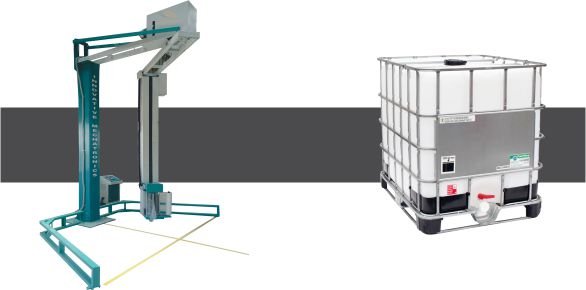
Product Extra DetailIn today’s fast-paced packaging environment, uptime is not optional—it is critical. Every minute of downtime directly impacts productivity, delivery schedules, and operational costs. A flawless pallet wrap cycle depends on consistent machine performance, which starts with simple daily and weekly rituals.
By following a structured maintenance routine, you can ensure smooth operations, reduce breakdowns, and extend machine life.
Why Pallet Wrapping Machine Maintenance Matters in Pallet Wrapping Operations
High uptime keeps your packaging line efficient and predictable. When your wrapping process runs without interruption, you protect both your products and your profits.
Key benefits of maintaining uptime include:
Consistent load stability and wrap quality
Reduced material waste and film breakage
Lower maintenance and repair costs
Improved worker safety
On-time dispatch and customer satisfaction
A disciplined routine transforms uptime from a goal into a habit.
Daily Rituals for a Smooth Pallet Wrap Cycle
Daily checks take only a few minutes but prevent major failures. These quick actions keep your machine ready for peak performance.
Inspect Critical Components
Check moving and high-wear parts before starting operations.
Inspect rollers, belts, and chains
Ensure film carriage moves smoothly
Look for loose bolts or abnormal vibrations
Monitor Film Feed and Tension
Film-related issues cause most wrapping interruptions.
Clean the Machine Area
Dust and debris affect sensors and moving parts.
Weekly Pallet Wrapping Machine Maintenance Rituals to Prevent Unexpected Downtime
Weekly maintenance focuses on prevention rather than reaction. These tasks improve reliability and consistency.
Lubricate and Tighten Moving Parts
Proper lubrication reduces friction and wear.
Lubricate bearings and guide rails
Tighten mechanical fasteners
Check chain and belt tension
Verify Electrical and Control Systems
Electrical issues often remain hidden until failure occurs.
Inspect cables and connectors
Test emergency stop functions
Confirm panel indicators and alarms work correctly
Review Wrap Quality and Performance
Use weekly reviews to catch small inefficiencies.
Check load containment consistency
Evaluate film consumption
Adjust parameters if wrapping looks uneven
Best Practices for Long-Term Reliability
A flawless pallet wrap cycle requires more than maintenance—it requires discipline.
Follow these best practices:
Train operators on correct machine handling
Maintain a simple inspection checklist
Log minor issues before they escalate
Use recommended spare parts and consumables
Consistency turns maintenance into a competitive advantage.
Frequently Asked Questions
Q1: Why is cleaning the photo-eye sensor necessary on a daily basis?
Dust and debris on the photo-electric sensor cause inaccurate height readings. This leads to the film carriage over-traveling or stopping early, resulting in incomplete pallet wraps and unexpected cycle halts.
Q2: How does daily pre-stretch roller cleaning prevent film snapping?
Adhesive residue and tiny film fragments on rubber rollers increase friction and create uneven drag. Cleaning them daily with isopropyl alcohol ensures smooth film delivery and eliminates sudden film tears during wrap cycles.
Q3: What happens if turntable and carriage drive chains are not tensioned weekly?
Loose chains lead to jerky turntable rotation and erratic carriage movement. Over time, this causes premature gear wear, loose film application, and potential mechanical jams that disrupt production uptime.
Q4: How much chain slack is considered acceptable during weekly checks?
Drive chains should have no more than 10–15 mm of slack under moderate pressure. Anything beyond this requires immediate adjustment to maintain synchronized movement and prevent chain derailment.
Q5: Why shouldn’t operator teams use knives or utility blades to clear stuck film?
Utility blades easily gouge or tear the delicate rubber coating on pre-stretch rollers. Damaged rollers ruin film pre-stretch ratios, leading to higher material costs and constant film snapping.
Q6: How does following a daily and weekly maintenance ritual lower film costs for Innovative Wraptech Pvt. Ltd.?
Well-maintained pre-stretch assemblies and properly tensioned drives ensure the machine achieves its full stretch capacity (up to 300%). This maximizes load stability while using the minimum amount of film per pallet.
Conclusion: Make Uptime a Daily Habit
Uptime does not happen by chance—it results from daily attention and weekly discipline. When you follow a structured ritual, your pallet wrap cycle remains smooth, reliable, and cost-efficient.
By prioritizing preventive actions today, you eliminate costly disruptions tomorrow and ensure uninterrupted packaging performance.