
Take a look at the Features of different strapping machines!
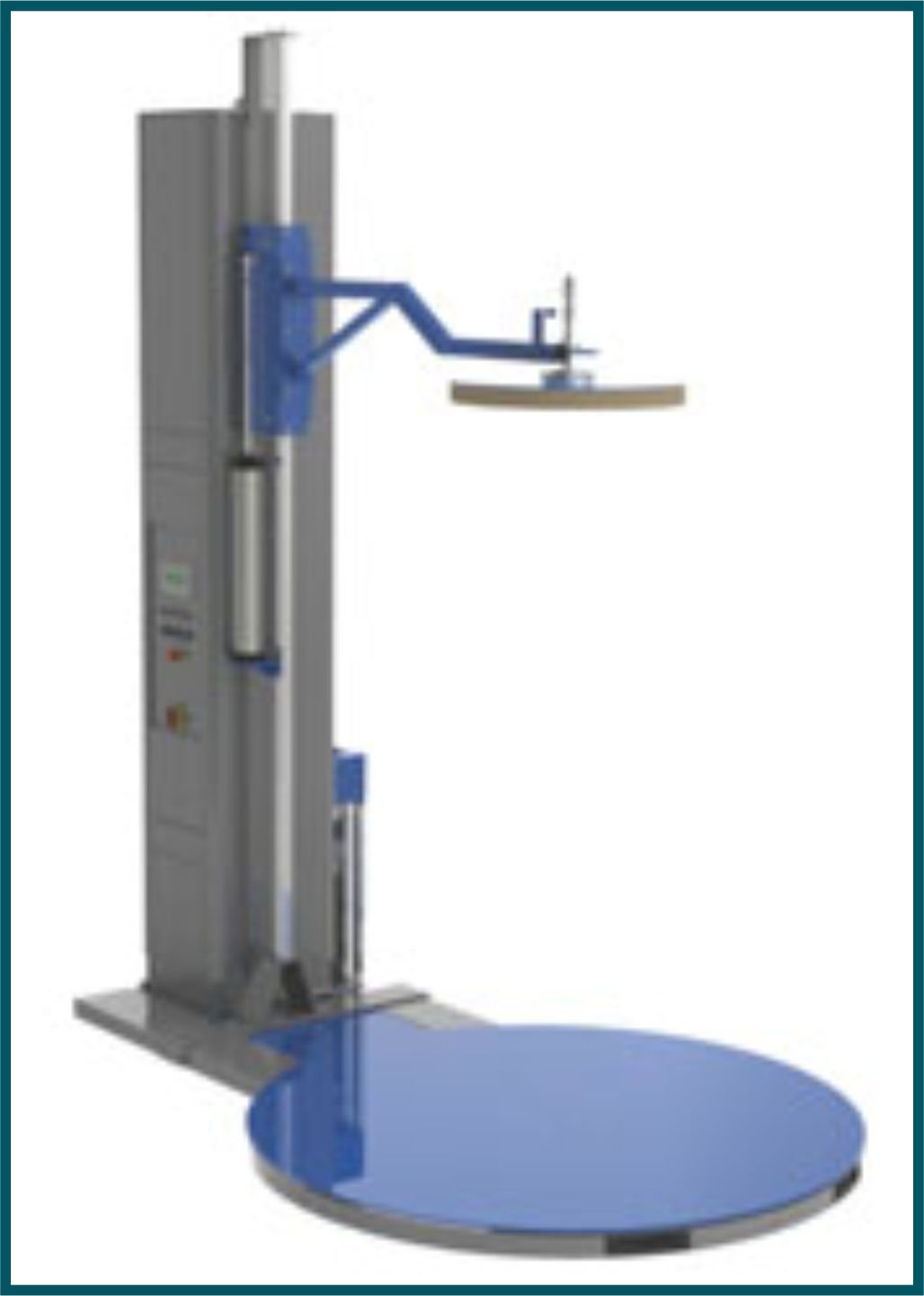
Different Strapping Machine Features By Innovative WrapTech Pvt. Ltd.
What Is a Strapping Machine?
A strapping machine is an industrial packaging system that secures cartons, bundles, or palletized loads using plastic or steel straps. The machine applies controlled tensioning, sealing, and cutting to ensure load stability during handling, storage, and transportation.
In modern manufacturing, strapping machines are critical for unitizing products, preventing load shift, and maintaining packaging consistency across production lines.
Why Strapping Machines Are Essential in Modern Industrial Operations
Manufacturers operate under constant pressure to improve throughput, safety, and cost efficiency. Different Strapping Machine Features support these goals by:
Reducing manual labor and operator fatigue
Delivering uniform strap tension
Improving warehouse and transport safety
Minimizing product damage
Supporting scalable automation
Different strapping machine features allow manufacturers to select equipment that matches production speed, load type, and automation level.
Step-by-Step: How a Strapping Machine Works
From an engineering perspective, the strapping cycle follows a precise sequence:
Product Positioning
The operator or conveyor places the carton or load in the strapping area.Strap Feeding
The machine feeds strapping material around or through the product.Tensioning
Controlled motors apply consistent strap tension.Sealing
Heat sealing, friction welding, or metal crimping secures the strap.Cutting and Reset
The machine cuts the strap and resets for the next cycle.
This repeatable process ensures consistent load security and packaging quality.
Key Technical Features and Operational Benefits
| Feature | Industrial Benefit |
|---|---|
| Adjustable strap tension | Prevents product damage |
| PLC-based controls | Automation readiness |
| Sensor-based detection | Accurate strap placement |
| Tool-less strap change | Reduced downtime |
| Energy-efficient motors | Lower operating cost |
Installation Best Practices
For optimal performance, manufacturers should:
Ensure level and stable flooring
Verify power and air supply requirements
Maintain proper conveyor alignment
Conduct operator training during installation
Validate strap size and material compatibility
Correct installation improves machine reliability and output consistency.
Safety Standards and Operator Protection
Strapping machines must comply with:
ISO and CE safety standards
Emergency stop systems
Guarded moving parts
Clear operator safety zones
Innovative WrapTech Pvt. Ltd. designs machines with operator safety integrated into the engineering process.
Buying Considerations for Industrial Buyers
Before purchasing, buyers should evaluate:
Production speed requirements
Load dimensions and weight
Strap material (PP, PET, steel)
Automation level and expansion plans
Availability of spare parts and service support
Why Manufacturers Prefer Professional-Grade Machines
Professional-grade strapping machines offer:
Consistent tension and sealing
Longer service life
Compliance with safety standards
Lower total cost of ownership
Reliable after-sales support
Low-cost machines often cause inconsistent strapping, higher maintenance, and safety risks.
Future Trends and Smart Factory Integration
The strapping machine segment is evolving toward:
IoT-enabled monitoring
PLC-driven analytics
Integration with conveyors and robots
Energy-efficient drive systems
Industry 4.0 compatibility
These advancements transform Different Strapping Machine Features into data-driven automation assets.
Strapping machines from Innovative WrapTech Pvt. Ltd. provide:
Reliable load security
Scalable automation options
Strong ROI and long service life
Compliance with modern safety and quality standards
If your operation requires consistent packaging, higher productivity, and future-ready automation, selecting the right strapping machine features is a strategic investment.
Frequently Asked Questions (FAQ)
1. What are the main features of different strapping machines?
Different strapping machine features include adjustable strap tension, automatic sealing and cutting, sensor-based strap detection, PLC controls, and compatibility with PP, PET, or steel straps.
2. How do manual, semi-automatic, and automatic strapping machines differ?
Manual machines require full operator effort, semi-automatic machines automate tensioning and sealing, while automatic machines integrate with conveyors for high-speed, unattended operation.
3. Which strapping machine features are important for industrial use?
Industrial operations require features such as consistent tension control, high cycle speed, durable sealing systems, safety interlocks, and easy maintenance access.
4. What safety features are included in modern strapping machines?
Modern strapping machines include emergency stop buttons, guarded moving parts, low-voltage control circuits, strap jam detection, and compliance with ISO and CE safety standards.
5. How do advanced strapping machine features improve ROI?
Advanced features reduce labor dependency, minimize product damage, improve throughput, and lower maintenance costs, helping manufacturers achieve ROI within 12–24 months.