Products

Sweet Box L-Sealing Packing Machine

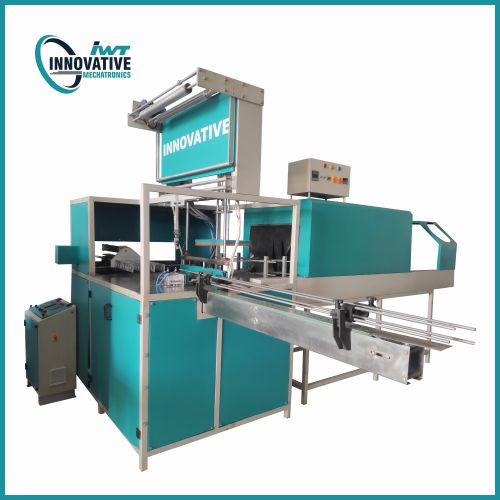
L-Sealer machine sealing Tetra Pack cartons on a production line in industrial packaging setup

Sweet Box L-Sealer Machine

The Sweet Box L-Sealer Machine is an industrial packaging solution designed to securely and uniformly seal sweet boxes in confectionery production. It provides airtight, tamper-proof packaging, protecting products from dust, moisture, and damage during storage, transport, and retail display.

This machine eliminates manual wrapping, reduces labor costs, ensures consistent sealing quality, and increases throughput in high-volume operations.

How the Machine Works

  1. Box Preparation
    Sweet boxes are loaded on the infeed platform or conveyor in proper alignment.

  2. Positioning & Alignment
    Guides and sensors align the boxes for precise sealing.

  3. Sealing Process

    • The L-shaped sealing arm moves along the edges of each box.

    • Heat and pressure are applied to seal the film or shrink wrap, securing the product.

  4. Film Cutting & Trimming
    Excess film is automatically trimmed, leaving a clean, uniform seal.

  5. Discharge
    Sealed boxes are conveyed out for packaging, storage, or shipment.

Importance in Modern Industrial Operations

  • High Productivity: Automates sealing, increasing packaging speed.

  • Consistency: Provides uniform, professional-quality seals for every box.

  • Efficiency: Optimizes film usage and reduces rework.

  • Safety: Reduces manual handling of confectionery boxes.

  • Product Protection: Prevents damage, contamination, or tampering.

Industries & Real-World Applications

  • Confectionery manufacturers

  • Chocolate and sweet production units

  • Bakery and dessert packaging operations

  • Export-oriented sweet packaging lines

  • Retail distribution and logistics of packaged sweets

How to Choose the Right Model

  • Capacity: Match machine speed to production volume.

  • Box Size & Material: Ensure compatibility with dimensions and film types.

  • Automation Level: Choose manual, semi-automatic, or fully automatic based on throughput needs.

  • Budget & ROI: Consider labor savings, material efficiency, and reduced damage rates.

  • Integration: Verify compatibility with conveyors or existing packaging lines.

Safety Standards & Compliance

  • CE and ISO 12100 certified

  • Emergency stop buttons and protective guards

  • IEC electrical safety standards

  • Lockout-Tagout (LOTO) ready

These measures ensure operator safety and reduce operational risks in confectionery packaging operations.

Future Trends & Smart Factory Integration

  • Fully automatic L-Sealers can integrate with conveyor systems, production monitoring, and IoT-based predictive maintenance.

  • Automation reduces human error, increases throughput, and supports Industry 4.0 smart factory initiatives.

FAQs

1. What is a Sweet Box L-Sealer Machine?

It is an industrial packaging machine designed to securely and uniformly seal sweet boxes, protecting confectionery products from dust, moisture, and damage during storage, transport, and retail distribution.

2. How does the Sweet Box L-Sealer Machine work?

  • Sweet boxes are placed on the infeed platform or conveyor.

  • Guides and sensors align the boxes for precise sealing.

  • The L-shaped sealing arm applies heat or pressure to seal the film.

  • Excess film is trimmed automatically, leaving a clean, professional seal.

  • Sealed boxes exit the machine, ready for packaging, shipping, or display.

3. What types or variants are available?

  • Manual L-Sealer: Low-volume operations, operator-controlled.

  • Semi-Automatic L-Sealer: Operator loads boxes; machine seals automatically.

  • Fully Automatic L-Sealer: Conveyor-fed, high-volume production with minimal human intervention.

  • Shrink Film Compatible L-Sealer: For specialty packaging with heat-shrinkable films.

4. Which industries use this machine?

  • Confectionery and sweet manufacturers

  • Chocolate packaging lines

  • Bakery and dessert packaging operations

  • Export-oriented sweet packaging units

  • Retail distribution of packed sweets

5. What box sizes and materials can it handle?

  • Boxes with lengths 50–300 mm, widths 50–200 mm, heights 20–150 mm

  • Compatible with polyethylene (PE), shrink films, and laminated packaging films

  • Works for chocolate boxes, candy boxes, and other confectionery packaging

Notebook L-Sealing Packing Machine

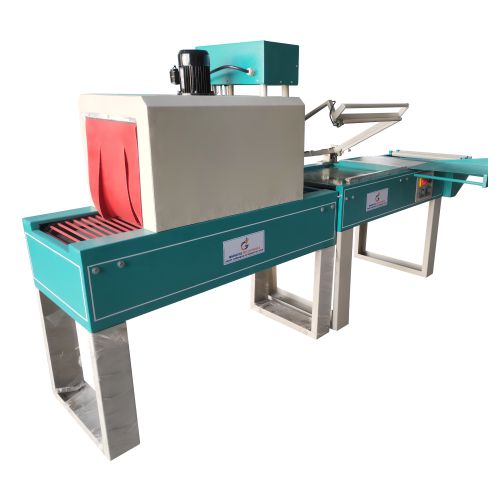
Notebook L-Sealer machine sealing notebooks on a stationery packaging line

Notebook L-Sealer Packing Machine

The Notebook L-Sealer Packing Machine is an industrial packaging solution designed to securely and uniformly seal notebooks in educational, stationery, and printing operations. It protects products from dust, moisture, and handling damage, ensures professional presentation, and increases overall packaging efficiency.

This machine reduces manual labor, provides consistent sealing quality, and is essential for high-volume production lines.

How the Machine Works

  1. Loading the Notebooks
    Notebooks are placed on the infeed platform or conveyor, aligned for sealing.

  2. Positioning & Alignment
    Guides and sensors position the notebooks accurately for precise sealing.

  3. Sealing Operation

    • The L-shaped sealing arm applies heat or pressure along the edges of the notebook.

    • The film wraps around the notebooks, forming a secure and uniform seal.

  4. Trimming & Finishing
    Excess film is automatically cut, leaving clean, professional edges.

  5. Discharge
    Sealed notebooks are conveyed out for storage, shipment, or retail packaging.

Variants & Applications

VariantApplicationAdvantages
Manual L-SealerLow-volume operationsCost-effective, simple operation
Semi-Automatic L-SealerMedium-volume linesOperator loads notebooks; machine seals automatically
Fully Automatic L-SealerHigh-volume productionConveyor-fed, minimal human intervention, high throughput
Shrink Film Compatible L-SealerSpecialty packagingTight, protective sealing for premium notebooks

Key Technical Features & Operational Benefits

  • Adjustable sealing temperature & speed – Handles different film types and thicknesses.

  • PLC or microprocessor control – Ensures precise, repeatable sealing cycles.

  • Safety guards and emergency stops – Protect operators during operation.

  • Durable industrial constructionSupports long-term, high-volume use.

  • Compact footprint – Integrates easily into production lines.

Standard Technical Specifications

  • Voltage: 220–415V, 1-phase or 3-phase

  • Power Consumption: 1–3 kW depending on model

  • Sealing Speed: 10–50 notebooks/minute

  • Notebook Dimensions: Compatible with lengths 100–300 mm, widths 70–250 mm, thickness 5–50 mm

  • Film Types: Polyethylene (PE), shrink films, laminated films

How to Choose the Right Model

  • Match machine speed to production volume

  • Ensure notebook size and film compatibility

  • Decide on automation level: manual, semi-automatic, or fully automatic

  • Factor in budget, ROI, and labor savings

  • Check for integration with existing production lines

Future Trends & Smart Factory Integration

FAQs

1. What is the Notebook L-Sealer Packing Machine?

The Notebook L-Sealer Packing Machine seals notebooks securely and uniformly, protecting them from dust, moisture, and handling damage during storage, transport, and retail display.

2. How does the Notebook L-Sealer Machine work step by step?

  • Operators place notebooks on the infeed table or conveyor.

  • The machine aligns notebooks using adjustable guides and sensors.

  • The L-shaped sealing arm applies controlled heat and pressure along the film edges.

  • The cutter trims excess film cleanly to create a professional finish.

  • The machine discharges sealed notebooks for further packing or dispatch.

3. What variants of the Notebook L-Sealer Machine are available?

  • Manual L-Sealer: Operators control sealing for low-volume production.

  • Semi-Automatic L-Sealer: Operators load notebooks while the machine seals automatically.

  • Fully Automatic L-Sealer: Conveyors, sensors, and sealing systems run continuously with minimal human intervention.

4. Why is this machine important in modern industrial operations?

The machine increases packaging speed, reduces labor dependency, and ensures consistent sealing quality, which helps stationery manufacturers meet high production targets and retail standards.

5. What key technical features improve operational performance?

  • Adjustable sealing temperature and timing

  • High-efficiency heating elements

  • Precision film cutting system

  • Conveyorized material handling

  • PLC or relay-based control options

Juice Box L-Sealing Packing Machine

L-Sealer machine sealing Tetra Pack cartons on a production line in industrial packaging setup

Juice Box L Sealer

A Juice Box L Sealer is an industrial shrink-packaging machine designed to wrap single or multipack juice boxes in shrink film and seal them using an “L-shaped” sealing bar. The machine creates a clean, airtight seal before the product enters a shrink tunnel, where controlled heat tightly shrinks the film around the cartons.

Manufacturers use this machine to protect juice boxes during handling, storage, and transport while delivering a professional, retail-ready appearance.

How a Juice Box L Sealer Works

From an engineering perspective, the process follows a precise and repeatable sequence:

  1. Product Infeed
    Operators or conveyors place juice boxes onto the infeed table, either individually or in grouped formats.

  2. Film Positioning
    The machine draws center-folded shrink film over and under the product using tension rollers.

  3. L-Bar Sealing
    The heated L-shaped sealing bar descends and seals two sides of the film simultaneously while trimming excess film.

  4. Seal Cooling & Transfer
    The sealed pack moves forward as the seal cools, maintaining film integrity.

  5. Shrink Tunnel Processing
    The product passes through a heat tunnel where hot air evenly shrinks the film around the juice boxes.

  6. Final Output
    The machine delivers tightly wrapped, tamper-evident, and visually consistent packs ready for palletizing or distribution.

Why Juice Box L Sealers Matter in Modern Manufacturing

Modern beverage production demands speed, consistency, and packaging reliability. Manual packing cannot meet these requirements at scale.

Key operational advantages include:

For beverage manufacturers, the L sealer becomes a critical link between filling lines and logistics operations.

Safety Standards and Compliance

Juice Box L Sealers must meet industrial safety norms.

Key safety measures include:

Innovative WrapTech Pvt. Ltd. designs machines with operator safety as a core engineering priority.

Why Manufacturers Choose Professional-Grade Machines

Experienced factory managers prioritize reliability and consistency.

Professional L sealers offer:

  • Industrial-grade components

  • Stable performance at high speeds

  • Better heat control

  • Easier spare part availability

  • Scalable automation options

These benefits outweigh the short-term savings of low-quality alternatives.

A Juice Box L Sealer is the right investment if your operation requires:

  • High-quality shrink packaging

  • Reliable production at scale

  • Reduced manual labor

  • Compliance with safety and quality standards

  • Long-term operational efficiency

When selected correctly and supported by a trusted manufacturer like Innovative WrapTech Pvt. Ltd., this machine becomes a dependable asset that supports growth, efficiency, and brand presentation.

Frequently Asked Questions (FAQ)

1. What is a Juice Box L Sealer used for?

A Juice Box L Sealer wraps juice boxes in shrink film and seals them in an L-shaped pattern. Manufacturers use it to protect cartons during transport, improve shelf appearance, and create tamper-evident packaging.

2. Can the machine handle different juice box sizes?

Yes. Most Juice Box L Sealers support multiple box sizes and pack configurations. Operators can adjust sealing height, film width, and conveyor guides during format changeovers.

3. What type of shrink film works best with a Juice Box L Sealer?

POF shrink film works best for juice box packaging due to its clarity, strength, and food-safe properties. Some machines also support PVC or PE films based on application needs.

4. How fast does a Juice Box L Sealer operate?

Output speed depends on the model. Manual machines handle low volumes, semi-automatic models support medium throughput, and fully automatic machines manage high-speed continuous production lines.

5. Does the Juice Box L Sealer require a shrink tunnel?

Yes. The L sealer creates the seal, while the shrink tunnel applies controlled heat to shrink the film tightly around the juice boxes for a finished pack.

L-Sealing Packing Machine For Tube Box

Tube box L-sealing packing machine wrapping rectangular boxes with shrink film

Tube Box L Sealer

A Tube Box L Sealer is an industrial shrink-wrapping machine designed to seal and pack rectangular tube boxes using shrink film. The machine forms an L-shaped seal around the product and prepares it for uniform heat shrinking, resulting in a tight, tamper-proof, and professional-looking package.

Manufacturers commonly use this machine to pack toothpaste boxes, cosmetic tubes, pharmaceutical tubes, adhesive tubes, and similar boxed products where clean presentation, protection, and consistency matter.

How a Tube Box L Sealer Works

From a factory-floor perspective, the operation follows a precise and repeatable process:

Step 1: Product Feeding

Operators place tube boxes manually or via an infeed conveyor onto the sealing table. Sensors detect product presence and position.

Step 2: Film Positioning

The machine draws shrink film (center-folded or flat) over and under the tube box, ensuring correct alignment.

Step 3: L-Type Sealing Action

The pneumatically or servo-driven L-shaped sealing jaw closes around the product. A heated sealing blade cuts and seals the film simultaneously on two sides.

Step 4: Seal Cooling and Discharge

The seal cools instantly to maintain strength. The machine then transfers the sealed pack to the shrink tunnel or exit conveyor.

Step 5: Heat Shrinking (Optional but Standard)

Inside the shrink tunnel, controlled hot air causes the film to shrink evenly around the tube box, creating a tight, wrinkle-free pack.

Why Tube Box L Sealers Matter in Modern Industrial Operations

Modern packaging lines demand speed, consistency, and reduced dependency on manual labor. Tube Box L Sealers deliver all three.

Key Advantages Over Manual or Alternative Methods:

  • Increase packing speed by 3–5x compared to manual wrapping

  • Ensure consistent seal quality, batch after batch

  • Reduce film wastage through controlled cutting and sealing

  • Improve product appearance and brand perception

  • Enable compliance with hygiene and tamper-evidence requirements

In high-volume industries, manual shrink wrapping simply cannot maintain output or quality standards.

How to Choose the Right Tube Box L Sealer

Buyers should evaluate machines based on:

Production Capacity

Match machine speed to your daily output requirement.

Box Size Range

Ensure adjustable sealing dimensions for future product expansion.

Level of Automation

Manual for low volume, automatic for continuous operations.

Film Compatibility

Select based on cost, clarity, and shrink performance.

Budget and ROI

Higher automation reduces labor cost and improves long-term ROI.

Innovative WrapTech Pvt. Ltd. helps buyers map the right model to real production needs, not just catalog specs.

Installation, Operation, and Maintenance Best Practices

Installation

  • Place the machine on a level floor

  • Ensure stable power and air supply

  • Align conveyors with upstream and downstream equipment

Operation

  • Preheat sealing blades before production

  • Maintain correct film tension

  • Monitor seal quality during batch changeovers

Maintenance

  • Clean sealing blades daily

  • Inspect pneumatic lines weekly

  • Replace worn Teflon tapes on schedule

Proper maintenance significantly extends machine life and ensures consistent output.

A Tube Box L Sealer is a critical investment for manufacturers seeking speed, consistency, safety, and professional packaging quality. With the right configuration and support, it transforms packaging from a bottleneck into a competitive advantage.

Innovative WrapTech Pvt. Ltd. delivers industry-proven Tube Box L Sealing solutions designed for real factory conditions, long-term reliability, and scalable growth.

FAQs

Q1. Can one machine handle different tube box sizes?
Adjustable sealing frames allow quick size changeovers.

Q2. Which shrink film works best for tube boxes?
POF film offers clarity and strength; PE suits heavier packs.

Q3. Is operator training required?
Basic training ensures safe operation and maximum efficiency.

Q4. Can this machine integrate with a shrink tunnel?
Yes. It integrates seamlessly with standard shrink tunnels.

Paper Dish L-Sealing Packing Machine

Notebook L-Sealer machine sealing notebooks on a stationery packaging line

What Is the Paper Dish L-Sealing Packing Machine

A Paper Dish L-Sealing Packing Machine is an industrial shrink-wrapping system that seals disposable paper dishes using heat-sealed shrink film. The machine creates a precise L-shaped seal and prepares the product for uniform shrinking, resulting in clean, hygienic, and tamper-proof packaging.

How It Works

Step 1: Product Feeding
Operators place stacked paper dishes or dish bundles onto the infeed table or conveyor. The machine aligns the product automatically.

Step 2: Film Dispensing
The system draws center-folded shrink film over and under the paper dish stack. Adjustable guides maintain accurate film positioning.

Step 3: L-Sealing Operation
The L-shaped heated sealing jaw closes with controlled pressure. It seals and cuts the film simultaneously on two sides.

Step 4: Seal Stabilization
The sealed film cools instantly to maintain seal strength and prevent tearing.

Step 5: Shrink Wrapping (Via Tunnel)
The sealed pack passes through a shrink tunnel, where hot air shrinks the film evenly around the paper dishes.

Step 6: Final Discharge
The machine releases the finished, tightly wrapped product onto the exit conveyor for packing or storage.

Why This Machine Is Important in Modern Industrial Operations of Paper Dish L Sealer

Manufacturers face rising demands for hygiene, speed, consistency, and compliance. Manual packing methods fail to meet these requirements at scale.

Paper Dish L-Sealers:

  • Increase packaging speed significantly

  • Maintain uniform seal quality across batches

  • Reduce labor dependency and handling errors

  • Improve food safety and shelf appeal

  • Support high-volume disposable product manufacturing

Modern factories rely on these machines to maintain production efficiency and brand reputation.

How to Choose the Right Paper Dish L-Sealing Machine

1. Capacity Requirements

Low-volume units suit small factories, while high-speed automatic models support continuous production lines.

2. Material Compatibility

Choose machines compatible with POF or PE films, depending on dish size, stack weight, and clarity requirements.

3. Level of Automation

4. Budget and ROI

Professional machines reduce film waste, downtime, and labor costs, offering faster return on investment.

Safety Standards, Compliance, and Operator Protection

Professional Paper Dish L-Sealing Machines comply with global and industrial safety standards, including:

  • Emergency stop buttons

  • Heat-insulated sealing zones

  • Electrical overload protection

  • Pneumatic pressure safety controls

  • Enclosed moving parts

These features protect operators while maintaining uninterrupted production.

Why Manufacturers Prefer Professional-Grade Machines

Manufacturers choose professional-grade L-Sealers because they:

  • Deliver consistent sealing quality

  • Operate reliably under continuous load

  • Reduce film consumption

  • Require less maintenance

  • Meet food packaging safety norms

Cheap or improvised solutions often increase downtime and compromise hygiene.

Frequently Asked Questions (FAQ)

Q1. Can one machine pack different paper dish sizes?

Yes. Adjustable sealing frames and guides allow quick size changeovers.

Q2. Which shrink film works best?

POF film offers clarity and hygiene, while PE suits heavier dish stacks.

Q3. Is the machine food-safe?

Yes. Machines use food-grade materials and comply with packaging safety norms.

Q4. How many operators are required?

One operator can manage semi-automatic models; fully automatic lines need minimal supervision.

Q5. Does shrink wrapping protect against moisture?

Yes. Shrink film provides moisture resistance and tamper evidence.

A Paper Dish L-Sealing Packing Machine plays a vital role in modern disposable foodware manufacturing. It improves hygiene, boosts productivity, reduces waste, and ensures consistent packaging quality.

Manufacturers who invest in professional-grade machines gain operational reliability, regulatory compliance, and long-term cost efficiency, making L-Sealing technology a smart industrial choice.

Paper Board Shrink wrapping machine

Paper board shrink wrapping machine wrapping stacked paper boards with shrink film

Paper Board Shrink Wrapping Machine

A Paper Board Shrink Wrapping Machine is an industrial packaging system designed to securely wrap paper boards, paper sheets, cartons, and flat bundles using heat-shrink film. The machine protects paper products from moisture, dust, shifting, and transit damage while maintaining clean, uniform packaging.

Manufacturers use this machine in paper mills, printing units, packaging plants, and logistics centers where product stability and presentation matter.

How the Paper Board Shrink Wrapping Machine Works

Step 1: Product Loading

Operators place paper boards or bundled stacks on the infeed conveyor or loading table. The system aligns the stack automatically.

Step 2: Film Application

The machine draws shrink film around the paper board stack using center-folded or flat film. Adjustable guides ensure accurate film positioning.

Step 3: Sealing Operation

A heated sealing system cuts and seals the film around the product. The seal forms a strong, continuous enclosure.

Step 4: Transfer to Shrink Tunnel

The sealed bundle moves into the shrink tunnel through a synchronized conveyor system.

Step 5: Controlled Heat Shrinking

Hot air circulates evenly inside the tunnel. The film shrinks uniformly around the paper boards, creating a tight and stable pack.

Step 6: Cooling and Discharge

The wrapped bundle cools instantly and exits the machine ready for palletizing or storage.

Why the Paper Board Shrink Wrapper Is Important in Modern Industrial Operations

Modern industries demand efficient handling of flat, moisture-sensitive materials. Manual wrapping or loose bundling fails under high volumes and transport stress.

Paper Board Shrink Wrapping Machines:

  • Improve load stability during storage and transport

  • Protect paper products from moisture and dust

  • Increase packaging speed and consistency

  • Reduce labor costs and human error

  • Enhance product appearance for exports and bulk shipments

These machines help manufacturers maintain quality standards and operational efficiency.

How to Choose the Right Paper Board Shrink Wrapper

1. Capacity Requirements

Low-volume units suit small printing shops, while automatic conveyorized systems handle high-speed industrial output.

2. Material Type and Size

Choose machines based on board dimensions, stack height, and weight. Adjustable machines support multiple board sizes.

3. Automation Level

  • Manual or semi-automatic for small budgets

  • Fully automatic for continuous production lines

4. Budget and ROI

Professional machines reduce film wastage and downtime, offering faster long-term returns despite higher initial investment.

Innovative WrapTech Pvt. Ltd. helps buyers select machines that match real production conditions, not just catalog ratings.

Safety Standards, Compliance, and Operator Protection of Paper Board Shrink Wrapping Machines

Paper Board Shrink Wrapping Machines from Innovative WrapTech Pvt. Ltd. comply with industrial safety requirements:

  • Emergency stop switches

  • Heat-insulated shrink tunnel chambers

  • Electrical overload and short-circuit protection

  • Guarded conveyors and moving parts

  • Stable temperature control systems

These features ensure operator safety without compromising productivity.

Why Manufacturers Prefer Professional-Grade Machines

Manufacturers choose professional machines because they:

  • Deliver consistent shrink quality

  • Operate reliably under continuous duty

  • Reduce film consumption

  • Require minimal maintenance

  • Meet export and industrial packaging standards

Frequently Asked Questions (FAQ)

Q1. Can the machine handle different paper board sizes?

Yes. Adjustable conveyors and sealing frames support multiple sizes.

Q2. Which shrink film is suitable for paper boards?

PE film works best for heavy stacks, while POF suits lighter bundles.

Q3. Is the machine suitable for export packaging?

Yes. Shrink wrapping improves load stability and moisture resistance.

Q4. How many operators are required?

One operator can manage semi-automatic models. Automatic systems require minimal supervision.

Q5. Does shrink wrapping prevent edge damage?

Yes. Tight wrapping stabilizes edges and prevents shifting.

Bottle Shrink Wrapping Machine

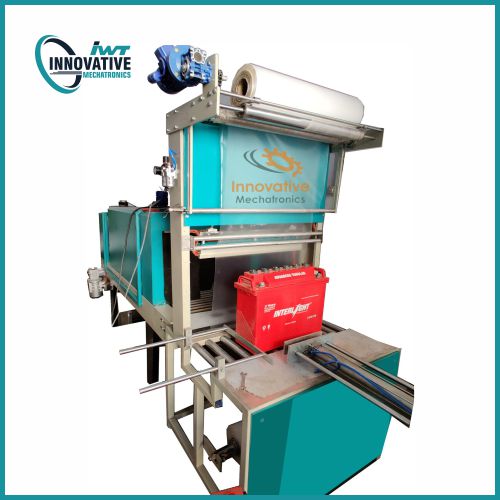
Bottle shrink wrapping machine wrapping multiple bottles with shrink film

Bottle Shrink Wrapping Machine

A Bottle Shrink Wrapping Machine is an industrial packaging system that groups and wraps bottles using heat-shrink film to create a tight, stable, and tamper-evident pack. Manufacturers use this machine to pack PET bottles, glass bottles, and HDPE containers for beverages, water, chemicals, and FMCG products.

The machine replaces manual bundling by delivering consistent packaging quality, higher output, and improved product safety.

Why Bottle Shrink Wrapping Machines Are Important in Modern Industrial Operations

Modern production lines operate at high speed and require uniform, transport-safe packaging. Manual wrapping cannot meet these demands.

A Bottle Shrink Wrapping Machine:

  • Increases packaging speed and line efficiency

  • Provides strong load stability for transport and stacking

  • Reduces labor costs and human error

  • Improves product appearance and shelf presentation

  • Supports bulk, multipack, and export packaging requirements

Manufacturers rely on shrink wrapping to protect bottles during handling, storage, and long-distance logistics.

How to Choose the Right Bottle Shrink Wrapping Machine

1. Capacity and Throughput

Select a machine based on bottles per minute and daily production targets. High-speed lines require automatic conveyorized systems.

2. Bottle Type and Material

Choose machines compatible with PET, glass, or HDPE bottles. Heavier bottles need stronger sealing and controlled shrink force.

3. Level of Automation

  • Semi-automatic machines suit small and medium plants

  • Fully automatic machines support continuous, high-volume production

4. Budget and Return on Investment

Professional machines reduce film waste, downtime, and manpower costs, offering faster ROI over low-cost alternatives.

Innovative WrapTech Pvt. Ltd. helps manufacturers select machines based on real operating conditions, not just technical ratings.

Safety Standards, Compliance, and Operator Protection

Bottle Shrink Wrapping Machines from Innovative WrapTech Pvt. Ltd. follow industrial safety and compliance standards, including:

  • Emergency stop switches at key points

  • Heat-insulated shrink tunnel chambers

  • Electrical overload and short-circuit protection

  • Guarded conveyors and moving components

  • Controlled temperature and airflow systems

These features protect operators while ensuring stable production.

Why Manufacturers Prefer Professional-Grade Machines

Manufacturers choose professional-grade Bottle Shrink Wrapping Machines because they:

  • Deliver consistent shrink quality at high speed

  • Operate reliably under continuous duty

  • Minimize film consumption and wastage

  • Reduce breakdowns and maintenance costs

  • Meet hygiene, safety, and export packaging standards

Frequently Asked Questions (FAQ)

Q1. What types of bottles can this machine handle?

It handles PET, glass, and HDPE bottles in single, double, or multipack formats.

Q2. Which shrink film works best?

PE shrink film works best for bottle multipacks due to its strength and durability.

Q3. How many operators are required?

Semi-automatic machines need one operator, while automatic lines require minimal supervision.

Q4. Is the machine suitable for export packaging?

Yes. Shrink wrapping ensures load stability and tamper resistance for exports.

Q5. Does shrink wrapping replace cartons?

Yes, in many cases it reduces carton usage and packaging cost.

A Bottle Shrink Wrapping Machine plays a critical role in modern bottling and packaging plants. It improves efficiency, protects products, reduces costs, and supports scalable growth.

Innovative WrapTech Pvt. Ltd. designs and manufactures robust Bottle Shrink Wrapping Machines that deliver consistent performance, long service life, and reliable industrial packaging solutions.

Roll Wrapper Machine | Industrial Roll Wrapping Solutions

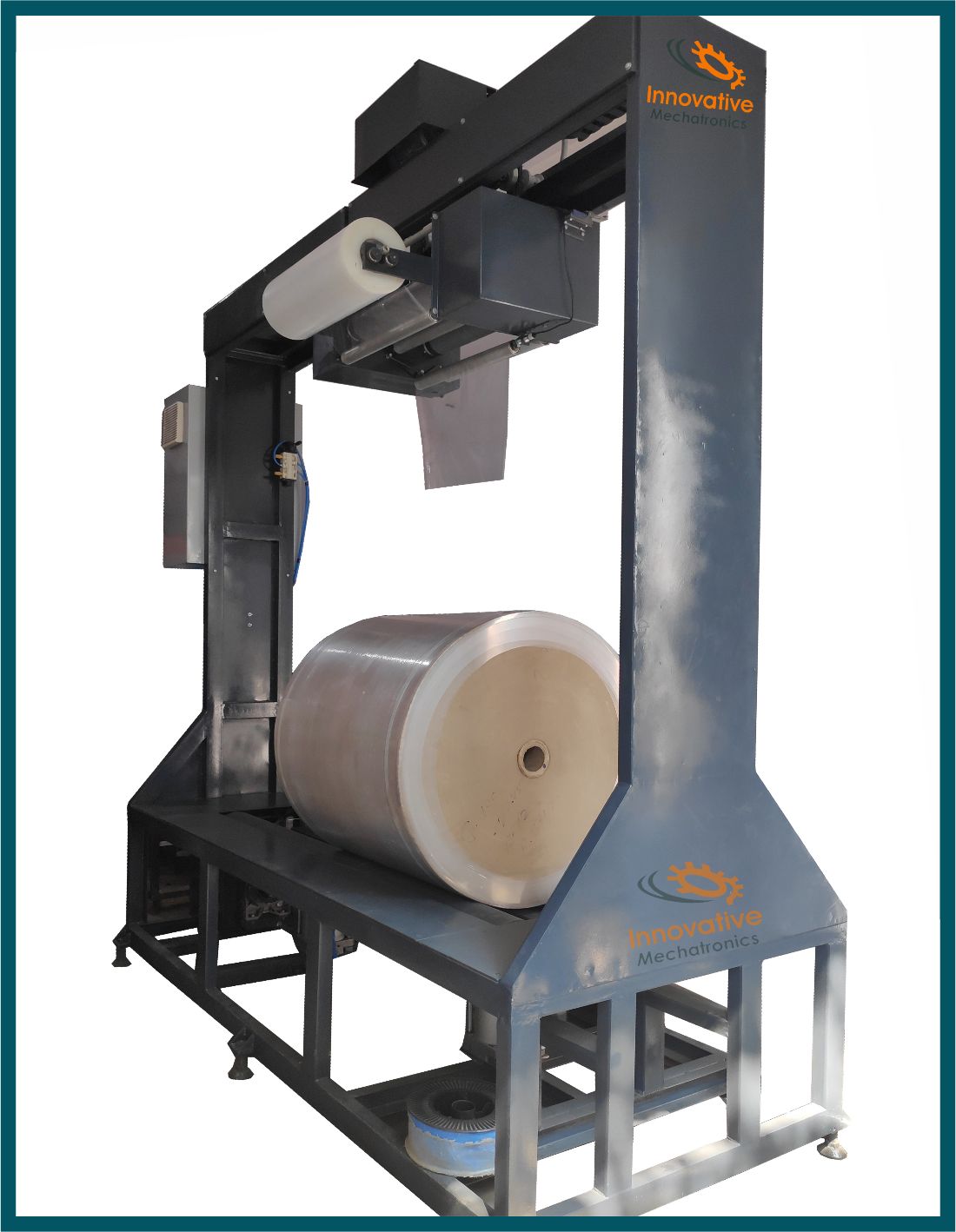
Roll wrapper machine packaging cylindrical industrial rolls with stretch or shrink film

Industrial Roll Wrapping Machine

An Industrial Roll Wrapping Machine is a heavy-duty packaging system designed to wrap cylindrical rolls—such as paper rolls, textile rolls, plastic film rolls, aluminum foil rolls, and non-woven rolls—using stretch film or shrink film. The machine secures the roll surface, edges, and core to protect the product from moisture, dust, impact, and handling damage.

Manufacturers use an Industrial Roll Wrapping Machine where manual wrapping fails to provide consistency, protection, or speed.

Why This Machine Is Important in Modern Industrial Operations

Modern factories handle large, heavy, and high-value rolls that move through storage, internal logistics, and long-distance transport. Manual wrapping increases product damage and labor cost.

An Industrial Roll Wrapping Machine:

  • Provides uniform tension and coverage

  • Prevents roll deformation and edge damage

  • Improves handling safety during lifting and transport

  • Reduces packaging time and labor dependency

  • Ensures professional, export-ready packaging

Industries rely on automated roll wrapping to maintain quality control and operational efficiency.

How to Choose the Right Machine

1. Capacity and Roll Size

Select a machine based on roll diameter, width, and weight. Heavy-duty machines handle larger and heavier rolls without vibration or imbalance.

2. Material Type

Different materials require different wrapping tension:

  • Paper rolls need edge protection

  • Film rolls need uniform tension

  • Textile rolls need breathable yet secure wrapping

3. Level of Automation

  • Semi-automatic machines suit medium production volumes

  • Fully automatic Industrial Roll Wrapping Machines suit high-volume plants with minimal manpower

4. Budget and Long-Term ROI

Professional machines reduce film consumption, minimize damage, and deliver faster returns over low-cost manual systems.

Innovative WrapTech Pvt. Ltd. guides buyers based on real production loads, not theoretical ratings.

Safety Standards, Compliance, and Operator Protection

Industrial Roll Wrapping Machines from Innovative WrapTech Pvt. Ltd. comply with industrial safety norms and include:

  • Emergency stop systems

  • Load-stabilized rotating platforms

  • Guarded moving parts

  • Electrical overload and motor protection

  • Controlled wrapping speed and tension

These features protect operators and ensure stable, accident-free operation.

Why Manufacturers Prefer Professional-Grade Machines

Manufacturers invest in professional Industrial Roll Wrapping Machines because they:

  • Deliver consistent wrapping quality

  • Operate reliably under continuous duty

  • Reduce roll damage and rejections

  • Lower packaging material wastage

  • Meet export and logistics compliance standards

Low-quality machines increase breakdowns and packaging inconsistencies.

Frequently Asked Questions (FAQ)

Q1. What types of rolls can this machine wrap?

It wraps paper, plastic film, textile, aluminum foil, and non-woven rolls.

Q2. Does the machine support different roll sizes?

Yes. Adjustable rollers and settings allow quick changeovers.

Q3. Which wrapping material is used?

Stretch film is most common, but shrink film options are available.

Q4. How many operators are required?

One operator can manage semi-automatic models; automatic machines require minimal supervision.

Q5. Is this machine suitable for export packaging?

Yes. It ensures roll stability and surface protection during long-distance transport.