Products

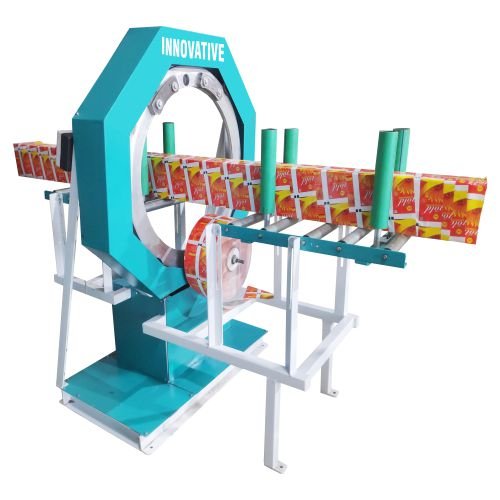
Orbital Stretch Wrapper

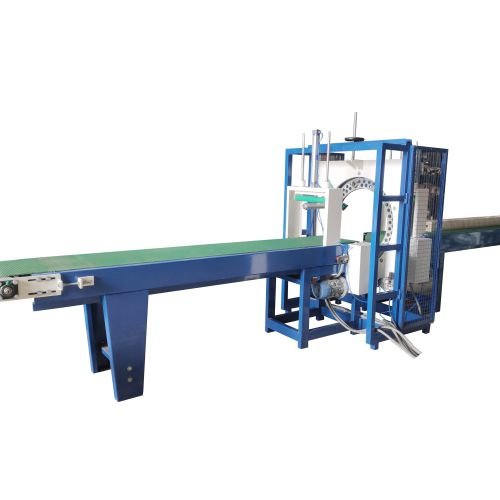
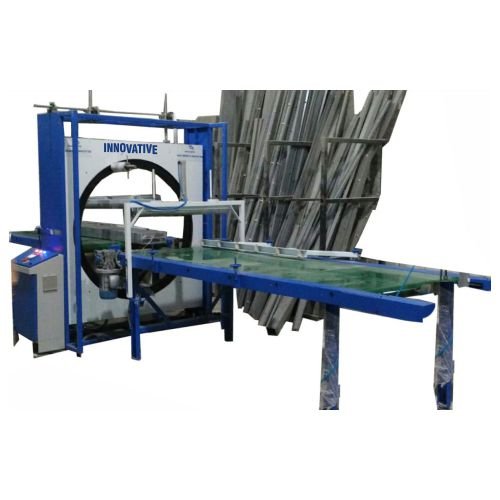
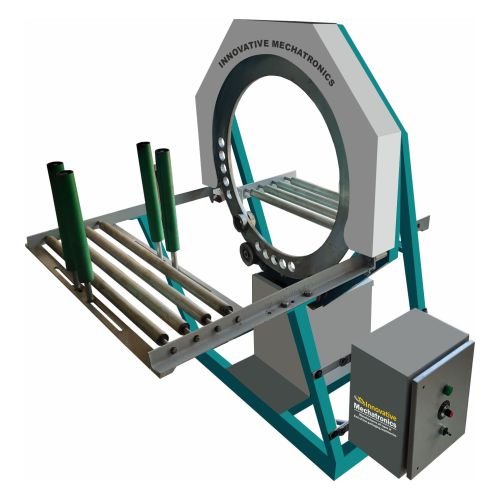
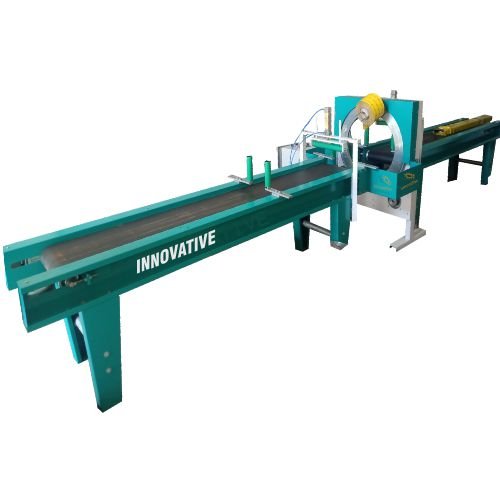
Industrial orbital stretch wrapper for long products packaging

An Industrial Orbital Stretch Wrapper is a high-performance packaging machine that wraps long, heavy, or irregular products with stretch film using an orbital motion. The machine keeps the product stationary and rotates the film carriage around it, which delivers uniform wrapping without bending or surface damage.

An Industrial Orbital Stretch Wrapper applies stretch film around products such as pipes, profiles, panels, and extrusions. Unlike turntable systems, this machine does not rotate the product. The orbital ring moves around the load and controls film overlap, tension, and wrapping speed.

Manufacturers use this machine to protect products during handling, storage, and transportation while increasing packaging efficiency.

How the Machine Works

Product Loading

Operators or conveyors place the product horizontally on infeed rollers or supports.

Film Installation

The operator mounts stretch film on the film carriage and sets tension and overlap parameters.

Orbital Wrapping Motion

The orbital ring rotates around the product. The system applies stretch film evenly along the product length.

Lengthwise Travel

The machine moves the ring along the product to cover the entire surface uniformly.

Film Cutting and Securing

The system cuts the film automatically and secures the film tail at the end of the cycle.

Product Discharge

Wrapped products exit through the outfeed conveyor or roller table.

Importance in Modern Industrial Operations

The Industrial Orbital Stretch Wrapper plays a critical role because it:

  • Handles long and heavy products safely

  • Increases packaging speed and consistency

  • Reduces manual labor and film waste

  • Protects surfaces from dust, moisture, and scratches

  • Supports continuous and high-volume production

Manual wrapping cannot achieve the same efficiency or quality in industrial environments.

Types and Variants

Semi-Automatic Orbital Stretch Wrapper

Best for medium production volumes with operator-controlled cycles.

Fully Automatic Orbital Stretch Wrapper

Ideal for high-volume factories with conveyor integration and minimal operator input.

Horizontal Orbital Wrapper

Designed for long, straight products like pipes and profiles.

Customized Orbital Wrapper

Built for specific dimensions, weights, or packaging requirements.

Industries and Real-World Applications

Industries using Industrial Orbital Stretch Wrappers include:

  • PVC, HDPE, and metal pipe manufacturing

  • Aluminum, steel, and FRP profile production

  • Construction material suppliers

  • Furniture and panel manufacturing

  • Export and logistics packaging centers

How Buyers Should Choose the Right Model

Buyers should evaluate:

  • Production Capacity: Match machine speed to output needs

  • Product Size & Weight: Ensure compatibility with orbital ring size

  • Automation Level: Select fully automatic for continuous lines

  • Material Type: Adjust tension for fragile or heavy products

  • Budget: Balance upfront cost with long-term labor and film savings

Conclusion

The Industrial Orbital Stretch Wrapper delivers fast, consistent, and damage-free packaging for long and heavy products. It reduces labor costs, improves wrapping quality, and supports modern high-volume industrial operations. Buyers who select the right configuration based on capacity, automation, and product type gain long-term operational efficiency and reliable return on investment.

1. What is an Orbital Stretch Wrapper?

An Orbital Stretch Wrapper is a packaging machine designed to wrap long, flat, or bundled products such as pipes, aluminum profiles, doors, panels, timber, and extrusions using stretch film in an orbital (ring) motion.

Q2. What products are best suited for orbital stretch wrapping?

This machine is ideal for aluminum profiles, PVC pipes, FRP sections, steel rods, wooden boards, furniture parts, and construction materials.

Q3. Which stretch film is used in an orbital stretch wrapper?

LLDPE stretch film is commonly used because it provides high elasticity, excellent load stability, and strong protection against dust and moisture.

Q4. What are the advantages of an orbital stretch wrapper over shrink wrapping?

Orbital stretch wrapping does not require heat, making it more energy-efficient, safer for operators, suitable for heat-sensitive products, and cost-effective for long items.

Q5. Is the orbital stretch wrapper available in manual, semi-automatic, and automatic models?

Yes, orbital stretch wrappers are available in manual, semi-automatic, and fully automatic configurations depending on production volume and automation requirements.

Q6. Can the machine be integrated into an automated production line?

Yes, fully automatic orbital stretch wrappers support conveyor and PLC integration for seamless operation within automated packaging lines.

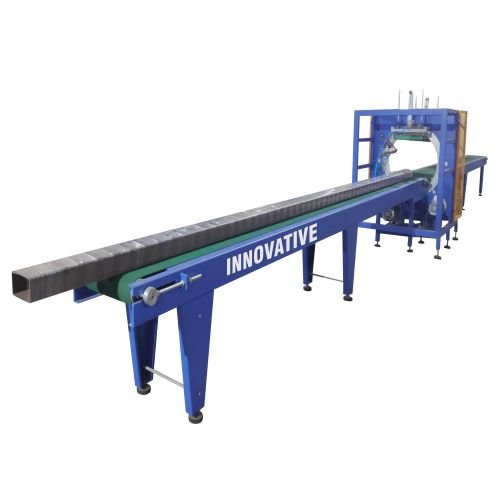
Orbital Stretch Wrap Machine

Industrial orbital stretch wrap machine for long product packaging

The Industrial Orbital Stretch Machine is a high-performance packaging system designed to wrap long, heavy, or irregular products with stretch film using an orbital wrapping method. The machine keeps the product stationary while the film carriage rotates around it, delivering uniform protection without bending or surface damage.

An Industrial Orbital Stretch Machine applies stretch film around products such as pipes, profiles, panels, sheets, and extrusions. Instead of rotating the load, the machine moves the wrapping ring around the product. This design ensures precise control of film tension, overlap, and wrapping speed.

Manufacturers rely on this machine to improve packaging quality, increase throughput, and protect high-value products during handling and transport.

Importance in Modern Industrial Operations

The Industrial Orbital Stretch Machine plays a critical role because it:

  • Handles long and heavy products safely

  • Increases packaging speed and consistency

  • Reduces manual labor and film waste

  • Protects surfaces from dust, moisture, and scratches

  • Supports continuous and high-volume production

Manual wrapping and basic alternatives cannot match this level of efficiency or protection.

Types and Variants

Semi-Automatic Orbital Stretch Machine

Operators start and stop the cycle. This variant suits medium production volumes.

Fully Automatic Orbital Stretch Machine

This version integrates with conveyors and production lines. It supports high-volume, continuous operations.

Horizontal Orbital Stretch Machine

This model wraps long, straight products such as pipes, profiles, and beams.

Custom-Built Orbital Stretch Machine

Manufacturers design this machine for specific product dimensions, weights, or packaging requirements.

How Buyers Should Choose the Right Model

Buyers should evaluate:

  • Production Capacity: Match machine speed to daily output

  • Product Size and Weight: Select the correct orbital ring size

  • Material Sensitivity: Choose advanced tension control for fragile products

  • Automation Level: Use fully automatic machines for continuous lines

  • Budget: Balance initial cost with long-term labor and film savings

Safety Standards and Operator Protection

Industrial Orbital Stretch Machines comply with:

  • ISO 9001 quality management standards

  • CE safety compliance

  • Emergency stop systems

  • Protective guarding around moving components

Operators should wear gloves, safety shoes, and eye protection during operation.

Conclusion

The Industrial Orbital Stretch Machine delivers fast, consistent, and damage-free packaging for long and heavy products. It reduces labor dependency, improves packaging quality, and supports modern industrial efficiency goals. Buyers who select the right model based on capacity, automation, and product requirements achieve reliable performance and long-term return on investment.

Frequently Asked Questions

Q1. What is an Orbital Stretch Wrap Machine?


An Orbital Stretch Wrap Machine is a packaging system that wraps stretch film around long, flat, or bundled products by rotating a ring or arm around the item, providing uniform protection without using heat.

Q2. Which products can be packed using an orbital stretch wrap machine?


It is ideal for aluminum profiles, PVC and HDPE pipes, FRP profiles, wooden boards, doors, panels, steel rods, and construction materials.

Q3. What type of stretch film is used in this machine?


LLDPE stretch film is most commonly used due to its high elasticity, load-holding strength, and resistance to dust and moisture.

Q4. What are the benefits of orbital stretch wrapping compared to shrink wrapping?


Orbital stretch wrapping is energy-efficient, does not require heat, is safer for operators, and is suitable for heat-sensitive and long products.

Q5. Is the orbital stretch wrap machine available in automatic models?


Yes, orbital stretch wrap machines are available in manual, semi-automatic, and fully automatic versions to suit different production volumes.

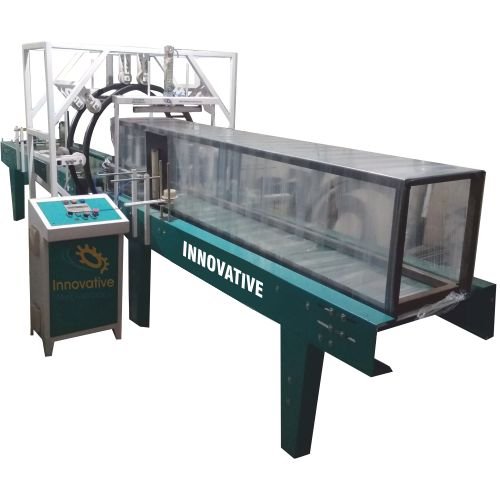
Manual Orbital Stretch Wrapping Machine

Manual orbital stretch wrapping machine for long industrial products

A Manual Orbital Stretch Wrapper is a semi-manual industrial packaging machine designed to wrap long, narrow, or bundled products—such as pipes, profiles, tubes, rods, and extrusions—using stretch film.

The machine uses a rotating orbital ring that moves stretch film around a stationary or manually fed product, creating a tight, uniform protective wrap without rotating the product itself.

Manufacturers choose this machine when they need:

  • Controlled protection for long products

  • Flexibility for variable product sizes

  • Lower capital investment than fully automatic systems

Innovative WrapTech Pvt. Ltd. designs these machines for rugged industrial environments, where reliability and operator control matter more than full automation.

How Does a Manual Orbital Stretch Wrapper Work?

The machine operates through a simple, controlled mechanical process:

Product Placement

The operator places the product on infeed supports or rollers.

Film Loading

The operator loads stretch film onto the rotating orbital ring.

Film Tension Setting

Mechanical or brake-based tension adjusts film stretch according to product weight and surface sensitivity.

Machine Start

The operator activates the machine using push buttons or a foot switch.

Orbital Rotation

The ring rotates around the product, wrapping film in a spiral pattern.

Manual Product Feed

The operator manually advances the product through the wrapping zone.

Overlap Control

Consistent feed speed creates uniform film overlap and coverage.

Cut and Secure

The operator cuts the film and presses it onto the wrapped surface to secure the end.

Why Is This Machine Important in Modern Industrial Operations?

Manual packaging creates:

  • Inconsistent wrapping

  • High labor fatigue

  • Material waste

  • Frequent product damage

A Manual Orbital Stretch Wrapper solves these problems while keeping costs under control.

Key Industrial Advantages

  • Improves packing consistency

  • Reduces film consumption

  • Protects product finish

  • Increases packing speed

  • Reduces labor strain

  • Supports lean manufacturing goals

Many plants use this machine as a bridge between manual wrapping and full automation.

Industries and Real-World Applications

This machine supports multiple industries:

  • Aluminum & FRP Profiles

  • Steel Pipes & Tubes

  • PVC & HDPE Pipe Manufacturing

  • Furniture Components

  • Construction Materials

  • Automotive Extrusions

  • Electrical Conduits

  • Wooden Beams & Panels

Plants use it for dust protection, transit safety, corrosion prevention, and bundle stabilization

Q1: What is a Manual Orbital Stretch Wrapping Machine?

A: It is a manually operated packaging machine designed by Innovative Wraptech Pvt. Ltd. to wrap long, bulky, or cylindrical items by rotating a roll of stretch film in an orbital (circular) path around the product while it passes through the ring.

Q2: Which products are best suited for this machine?

A: This machine is ideal for long, extruding, or ring-shaped products such as pipes, aluminum profiles, wooden beams, steel rods, doors, frames, and rolled textiles.

Q3: How does a manual orbital wrapper differ from an automatic one?

A: In a manual model, the operator manually guides or feeds the product through the wrapping ring and controls film cutting. It provides a highly cost-effective, durable solution for low-to-medium volume packaging without requiring complex automated controls.

Q4: Can film tension be adjusted on this machine?

A: Yes, the machine features a manual tension adjustment mechanism that allows operators to easily regulate film tightness based on the sensitivity and shape of the product being wrapped.

Q5: What packaging materials can be used with this equipment?

A: It primarily uses standard LLDPE stretch film. Depending on your packaging requirements, custom films such as VCI anti-rust film or colored protective films can also be used.

Q6: Why choose Innovative Wraptech Pvt. Ltd. for orbital stretch wrappers?

A: Innovative Wraptech Pvt. Ltd. manufactures robust, ergonomically designed wrapping machines built with industrial-grade components to ensure long operational lifespans, low maintenance costs, and dependable product protection during transit.


Ring Wrapping Machine

Industrial Ring Stretch Wrapping Machine | Orbital Coil Wrapper

A Ring Wrapping Machine System is an industrial packaging solution designed to wrap ring-shaped, circular, or coil products using stretch film, LDPE, HDPE, or protective materials. The machine applies uniform tension while rotating the product or wrapping ring to create tight, secure, and weather-resistant packaging.

Manufacturers use this system to protect products during storage, handling, and transportation, while improving packaging consistency and productivity.

How Does a Ring Wrapping Machine Work?

  1. Product Loading
    The operator places the ring, coil, or circular product onto rollers, a turntable, or a conveyor system.

  2. Film Threading & Tension Setup
    The operator feeds the stretch film through the pre-stretch unit and sets film tension according to product size and weight.

  3. Machine Positioning
    The wrapping ring or orbital arm aligns with the product’s center for balanced rotation.

  4. Rotational Wrapping Process
    The ring or wrapping arm rotates around the product while rollers rotate the product simultaneously, ensuring complete surface coverage.

  5. Layer Control & Overlap
    The machine controls overlap percentage to provide required strength and protection.

  6. Film Cutting & Sealing
    After reaching the preset wrap count, the machine automatically cuts and secures the film.

  7. Product Unloading
    The wrapped product exits the machine safely, ready for storage or dispatch.

Why Is This Machine Important in Modern Industrial Operations?

  • Reducing manual labor and packaging time

  • Improving load stability during transit

  • Minimizing product damage and corrosion

  • Ensuring consistent packaging quality

  • Lowering material consumption and waste

  • Enhancing worker safety

Modern industries rely on automated packaging to meet tight delivery schedules and global quality standards.

Standard Industry-Level Technical Specifications

  • Product Diameter Range: 300 mm – 3000 mm

  • Product Width: 100 mm – 1500 mm

  • Max Load Capacity: 50 kg – 3000 kg

  • Wrapping Speed: 20 – 90 rpm

  • Film Types: Stretch film, LDPE, HDPE, VCI film

  • Power Supply: 380V / 415V, 50 Hz, 3 Phase

  • Control System: PLC with touchscreen HMI

  • Automation Level: Manual to fully automatic

How Buyers Can Choose the Right Model

Buyers should evaluate the following factors:

Capacity

Choose based on product weight, diameter, and daily output.

Material Type

Select compatible film systems for metal, plastic, or coated products.

Automation Level

Manual for low volume, semi-automatic for mid-scale, and fully automatic for large plants.

Budget

Balance initial investment against long-term labor savings and reduced packaging waste.

Floor Space

Select vertical or horizontal designs based on layout constraints.

Conclusion

The Ring Wrapping Machine System delivers safe, efficient, and cost-effective packaging for circular products. It supports modern manufacturing by increasing productivity, improving packaging quality, and reducing operational risks—making it an essential investment for industrial packaging operations.

FAQs

1. What is a Ring Wrapping Machine System?

A Ring Wrapping Machine System is an industrial packaging machine that wraps circular products such as rings, coils, and round components using stretch film or protective material to ensure secure and uniform packaging.

2. How does a ring wrapping machine work?

The machine rotates a wrapping ring or arm around the product while controlling film tension and overlap. This process creates a tight, consistent wrap that protects the product during handling and transportation.

3. Which products can a ring wrapping machine wrap?

The machine wraps metal rings, steel and aluminum coils, wire coils, pipes, bearings, gaskets, cables, and other circular or ring-shaped products.

4. Why should industries use a ring wrapping machine instead of manual wrapping?

The machine improves wrapping consistency, reduces labor dependency, increases packaging speed, minimizes material waste, and enhances operator safety compared to manual methods.

5. What types of films can a ring wrapping machine use?

Ring wrapping machines support stretch film, LDPE, HDPE, VCI film, and protective laminated films depending on the product and protection requirement.

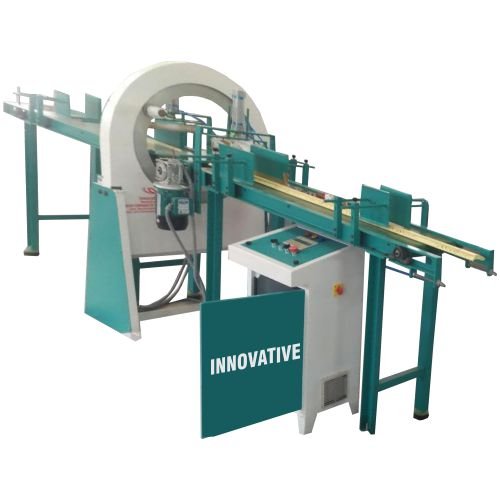
Packing Machine for Profile | Automated Profile Packaging System

Industrial Profile Packing Machine

A Profile Packing Machine System is an industrial packaging solution designed to wrap long, straight, and delicate profiles such as aluminum extrusions, PVC profiles, steel sections, and composite profiles using stretch film, LDPE film, paper, or laminated protective materials.

Manufacturers use this machine to achieve consistent surface protection, edge safety, and load stability during storage and transportation. Unlike manual packing, this system applies controlled tension, uniform overlap, and repeatable wrapping quality across every profile bundle.

Why This Machine Is Critical in Modern Industrial Operations

Profile manufacturers operate in high-volume, quality-sensitive environments. This machine supports modern production by:

  • Preventing scratches, dents, and oxidation

  • Increasing packing speed and consistency

  • Reducing labor dependency and fatigue

  • Lowering film and material consumption

  • Improving logistics reliability

  • Meeting export-grade packaging standards

Manufacturers rely on automated profile packing to maintain brand reputation and delivery reliability.

Types & Variants of Profile Packing Machines

Manual Profile Packing Machine

  • Best for low production volumes

  • Lowest investment cost

  • Limited consistency and speed

Semi-Automatic Profile Packing Machine

  • Ideal for medium-scale plants

  • Manual loading with automated wrapping

  • Balanced cost and productivity

Fully Automatic Profile Packing Machine

  • Designed for continuous production lines

  • Conveyor-integrated with minimal human handling

  • Highest speed, consistency, and ROI

Horizontal Profile Packing Machine

  • Best for long, heavy, or wide profiles

  • Provides stable, vibration-free wrapping

Customized Multi-Profile Systems

  • Designed for mixed profile sizes

  • Supports fast changeovers

  • Ideal for extrusion plants with diverse product ranges

Safety Standards & Operator Protection Measures

Innovative WrapTech Pvt. Ltd. designs machines to meet global industrial safety requirements:

  • CE certification readiness

  • ISO 12100 machine safety principles

  • Emergency stop buttons on all sides

  • Safety guarding around rotating components

  • Electrical safety per IEC standards

  • Lockout-tagout compatibility

These features reduce accident risks and protect operators from moving, rotating, and electrical hazards.

FAQs

1. What is a Profile Packing Machine System?

A Profile Packing Machine System is an industrial packaging solution that wraps long and straight products such as aluminum, PVC, and metal profiles using protective films or paper to prevent surface damage during handling and transportation.

2. Which types of profiles can this machine pack?

The machine packs aluminum extrusions, PVC profiles, steel sections, window and door frames, solar mounting profiles, and composite profiles of varying lengths and surface finishes.

3. How does a profile packing machine work?

The machine feeds profiles through rollers while an orbital wrapping ring rotates around the product. The system controls film tension, overlap, and speed to create uniform, secure wrapping.

4. Why do manufacturers prefer automated profile packing over manual methods?

Automated systems deliver consistent quality, reduce labor costs, improve packing speed, minimize material waste, and protect delicate profile surfaces more effectively than manual packing.

5. What types of films does the machine support?

Profile packing machines support stretch film, LDPE film, HDPE film, protective paper, foam-laminated film, and VCI film depending on protection requirements.

Steel Pipe Film Wrapping Machine

Steel pipe film wrapping machine wrapping steel pipes on industrial production line

The Steel Pipe Film Wrapping Machine is an industrial packaging system designed to wrap steel pipes with stretch film, protective laminates, or shrinkable films. It ensures uniform coverage, surface protection, and secure handling, preventing scratches, corrosion, and damage during storage or transport.

This machine is widely used in steel manufacturing, construction, and pipe distribution industries to replace manual wrapping, reduce labor, and maintain consistent, high-quality packaging.

How It Works

  1. Pipe Loading
    Pipes are placed on the infeed platform or rollers, either manually or via conveyor.

  2. Alignment & Positioning
    Sensors or guides ensure the pipe is centered and stable before wrapping begins.

  3. Film Feeding & Tension Control
    Stretch film is fed through a pre-stretch system, optimizing material use and preventing surface damage.

  4. Rotating or Moving Mechanism

    • The pipe rotates or the wrapping arm moves around it to cover all surfaces evenly.

    • Adjustable tension ensures tight, uniform wrapping.

  5. Film Cutting & Sealing
    Automatic cutters finish the wrap, providing a clean, secure seal.

  6. Outfeed & Dispatch
    Wrapped pipes are removed via conveyor or manually, ready for storage or shipping.

Importance in Modern Industrial Operations

  • High Productivity: Automates wrapping, reducing labor and cycle time.

  • Efficiency: Optimizes film usage, reducing waste.

  • Safety: Minimizes operator handling of heavy or long pipes.

  • Protection: Prevents scratches, corrosion, and surface damage.

  • Consistency: Ensures repeatable, professional-grade packaging quality.

Types of Steel Pipe Film Wrapper

TypeApplicationAdvantages
Manual Pipe WrapperLow-volume operationsLow-cost, simple, portable
Semi-Automatic WrapperMedium-volume productionOperator loads pipes; machine wraps automatically
Fully Automatic WrapperHigh-volume industrial linesConveyor-fed, minimal human intervention, high throughput
Rotary or Orbital WrappingLong or irregular pipesUniform coverage, reduced labor, high-speed operation

Key Features & Operational Benefits

  • Pre-stretch film system – Reduces film usage by up to 50%

  • PLC & HMI control – Enables precise, repeatable wrapping

  • Adjustable tension & speed – Handles fragile or long pipes safely

  • Heavy-duty rollers and supports – Supports long and heavy pipes

  • Automatic film cutter – Reduces labor, improves speed

  • Soft-start motors – Prevents pipe movement or surface damage

How to Choose the Right Model

  • Capacity: Match with production volume and pipe size

  • Pipe Material & Weight: Choose machine with appropriate motor strength

  • Automation Level: Manual, semi-automatic, or fully automatic

  • Budget & ROI: Factor labor savings, reduced damage, and material efficiency

  • Factory Layout: Horizontal or orbital orientation depending on space

The Steel Pipe Film Wrapping Machine ensures safe, uniform, and high-speed wrapping of steel pipes, reducing labor, preventing surface damage, and improving operational efficiency. Manufacturers should select professional-grade machines to maximize productivity, ROI, and long-term reliability. Proper installation, operation, and maintenance guarantee safe and efficient industrial packaging.

FAQs

1. What is a Steel Pipe Film Wrapping Machine?

It is an industrial packaging machine designed to wrap steel pipes uniformly using stretch or protective film, ensuring surface protection, corrosion prevention, and safe handling during storage or transport.

2. How does the machine work?

  • Pipes are placed on the infeed platform or conveyor.

  • Sensors or guides align the pipes for accurate wrapping.

  • The machine feeds stretch film, applying controlled tension to cover the pipe completely.

  • Pipes rotate or the wrapping arm moves around them to ensure even coverage.

  • Automatic cutters trim the film, and the wrapped pipes exit the machine, ready for storage or shipping.

3. What types or variants are available?

  • Manual Pipe Wrapper: Low-volume operations, operator wraps pipes manually.

  • Semi-Automatic Wrapper: Operator loads pipes; machine wraps automatically; medium-volume production.

  • Fully Automatic Wrapper: Conveyor-fed, minimal human intervention; high-volume production lines.

  • Rotary / Orbital Wrapping Machines: Ideal for long or irregular pipes, providing uniform coverage at high speed.

4. Which industries use this machine?

  • Steel manufacturing and fabrication

  • Pipe distribution and supply chains

  • Construction material suppliers

  • Export-oriented packaging facilities

  • Industrial warehouses requiring safe and protective packaging

5. What pipe sizes and materials can it handle?

  • Round, square, and rectangular steel pipes

  • Various diameters and lengths

  • Pipes with coatings or galvanization

  • Thin-wall or heavy-duty industrial pipes

TMT Bar Stretch Wrapping Machine for Steel Bar Packaging

Automatic TMT bar stretch wrapping machine wrapping steel bar bundles with stretch film in industrial packaging line

TMT Bar Stretch Wrapping is an industrial packaging process that uses stretch film to tightly and uniformly wrap bundles of TMT (Thermo-Mechanically Treated) steel bars. The process protects bars from corrosion, moisture, dust, and handling damage during storage, transport, and site delivery.

Manufacturers use TMT Bar Stretch Wrapping Machines to replace inconsistent manual packing with controlled, repeatable, and export-grade packaging.

How the TMT Bar Stretch Wrapping Machine Works

  1. Bundle Loading
    Operators load TMT bar bundles onto infeed conveyors or roller beds.

  2. Bundle Alignment
    The machine aligns bundles centrally to ensure balanced wrapping.

  3. Film Feeding & Pre-Stretching
    Stretch film passes through a pre-stretch unit to optimize film strength and reduce consumption.

  4. Wrapping Rotation
    The wrapping arm or ring rotates around the bar bundle while the bundle advances or remains stationary, depending on machine type.

  5. Overlap & Tension Control
    PLC controls adjust film overlap and tension based on bundle size and weight.

  6. End Sealing & Cutting
    Automatic cutters secure the film ends without damaging bar edges.

  7. Discharge & Stacking
    Wrapped bundles exit the machine ready for crane handling, storage, or dispatch.

Why This Machine Is Critical in Modern Steel Operations

Steel plants operate in high-volume, logistics-intensive environments. TMT bar stretch wrapping machines:

  • Protect bars from rust and surface contamination

  • Improve load stability during transport

  • Reduce manual labor and injury risks

  • Increase packing speed and consistency

  • Lower packaging material waste

  • Meet domestic and export packaging standards

Manual methods cannot deliver the uniform tension and speed required for modern steel supply chains.

Types & Variants of TMT Bar Stretch Wrapping Machines

Manual Stretch Wrapping System

  • Suitable for very low production volumes

  • High labor dependency

  • Limited consistency

Semi-Automatic TMT Bar Stretch Wrapper

  • Manual loading with automated wrapping

  • Ideal for medium-scale steel plants

  • Good balance of cost and productivity

Fully Automatic TMT Bar Stretch Wrapping Machine

  • Conveyor-integrated system

  • Designed for continuous high-volume output

  • Minimal human intervention and maximum ROI

Horizontal Wrapping Machine

  • Best for long and heavy TMT bundles

  • Provides stable, uniform coverage

How to Choose the Right Stretch Wrapping Machine

Capacity Requirements

Match machine throughput with rolling mill output.

Bundle Size & Weight

Select heavy-duty designs for large or dense bundles.

Automation Level

  • Manual: Small plants

  • Semi-automatic: Medium plants

  • Fully automatic: High-volume facilities

Budget & ROI

Higher automation reduces long-term labor and material costs.

Future Expansion

Choose modular machines that support upgrades.

Frequently Asked Buyer Questions

Does stretch wrapping prevent corrosion?

Yes. Tight wrapping minimizes moisture exposure and supports VCI film use.

Is the machine suitable for export packaging?

Yes. It delivers uniform, stable, and professional packaging.

What is the expected machine lifespan?

10–15 years with proper maintenance.

Can it integrate with rolling mills?

Fully automatic models integrate easily with conveyors and bundling systems.

A TMT Bar Stretch Wrapping Machine is the right investment if you need:

  • Reliable rust protection

  • Faster and safer packaging

  • Reduced labor and film costs

  • Consistent industrial-grade wrapping

Innovative WrapTech Pvt. Ltd. delivers production-ready, heavy-duty stretch wrapping solutions designed for modern steel manufacturing environments.

Solid Door Frames & Edge Band Packing Machine

Automatic packing machine wrapping solid door frames and edge bands with protective film in industrial packaging line

A Door Frame Packing Machine is an industrial packaging solution designed to wrap solid door frames, wooden frames, metal frames, and edge band materials using stretch film, protective film, paper, or foam-laminated materials. The machine applies uniform tension and controlled overlap to protect edges, corners, and surfaces during handling, storage, and transportation.

Manufacturers use this machine to achieve consistent, damage-free, and professional packaging at scale.

Why Is This Machine Important in Modern Industrial Operations?

Door frames are long, rigid, and edge-sensitive products. Manual packing often causes scratches, dents, and inconsistent protection. This machine:

  • Prevents surface and edge damage

  • Improves packaging speed and consistency

  • Reduces labor dependency and fatigue

  • Minimizes material wastage

  • Enhances logistics and transport safety

  • Supports export-grade packaging standards

Modern manufacturers rely on automation to maintain quality, efficiency, and brand reputation.

Types & Variants of Door Frame Packing Machines

Manual Door Frame Packing System

  • Best for very low volumes

  • High labor involvement

  • Limited consistency

Semi-Automatic Door Frame Packing Machine

  • Manual loading with automated wrapping

  • Ideal for small to medium factories

  • Cost-effective and reliable

Fully Automatic Door Frame Packing Machine

  • Conveyor-integrated system

  • Designed for high-volume production

  • Maximum speed and minimal manpower

Horizontal Packing Machine

  • Best for long and heavy frames

  • Provides stable, uniform wrapping

How Buyers Can Choose the Right Model

Capacity

Select based on daily production output and frame size.

Material Type

Choose compatible film systems for wood, metal, or laminated surfaces.

Automation Level

  • Manual: Very small workshops

  • Semi-automatic: Growing factories

  • Fully automatic: Large-scale plants

Budget

Balance upfront cost with long-term labor and material savings.

Floor Space

Horizontal machines suit long layouts; compact designs suit smaller floors.

Best Practices for Installation, Operation & Maintenance

Installation

  • Install on a level, vibration-free surface

  • Ensure proper electrical grounding

  • Align infeed and outfeed rollers

Operation

  • Set correct film tension and overlap

  • Use suitable film thickness

  • Train operators on control systems

Maintenance

  • Clean rollers and sensors daily

  • Lubricate moving parts weekly

  • Inspect motors, belts, and cutters regularly

  • Schedule preventive maintenance every 6–12 months

Conclusion

A Door Frame Packing Machine delivers consistent protection, faster throughput, and lower operational risk. It is an essential investment for manufacturers seeking quality, efficiency, and scalability in modern production environments.

FAQs

1. What is a Door Frame Packing Machine?

A Door Frame Packing Machine is an industrial packaging system that wraps solid wooden, metal, or composite door frames and edge bands with protective film to prevent damage during handling, storage, and transportation.

2. Which materials can this machine pack?

The machine packs solid wood frames, engineered wood frames, metal door frames, PVC frames, laminated frames, and edge band materials.

3. How does a door frame packing machine work?

The machine feeds the frame through rollers while an orbital wrapping ring applies film with controlled tension and overlap, ensuring full surface and edge protection.

4. Why is automated door frame packing better than manual packing?

Automated packing provides uniform wrapping, reduces labor effort, improves speed, minimizes material waste, and protects delicate edges more effectively than manual methods.

5. What types of packing films does the machine support?

The machine supports stretch film, LDPE film, foam-laminated film, protective paper, and surface-protection films based on application needs.